The 10th Big Data Forum for Life and Health Sciences
The 10th Big Data Forum for Life and Health Sciences ( 2025/10/15 - 2025/10/17)
Biological research has entered the era of big data, including a wide variety of omics data and covering a broad range of health data. Such big data is generated at ever-growing rates and distributed throughout the world with heterogeneous standards and diverse limited access capabilities. However, the promise to translate these big data into big knowledge can be realized only if they are publicly shared. Thus, providing open access to omics & health big data is essential for expedited translation of big data into big knowledge and is becoming increasingly vital in advancing scientific research and promoting human healthcare and precise medical treatment.
It is our great pleasure to announce that the 10th Big Data Forum for Life and Health Sciences will be held on October 15-17, 2025. A few renowned biomedical data scientists have agreed to give speeches. Likely, you are also cordially invited to share your work and participate in this exciting event.

Previous Conferences
- The 10th Big Data Forum for Life and Health Sciences, 2025
- The 9th Big Data Forum for Life and Health Sciences, 2024
- The 8th Big Data Forum for Life and Health Sciences, 2023
- The 7th Big Data Forum for Life and Health Sciences, 2022
- The 6th Big Data Forum for Life and Health Sciences, 2021
- The 5th Big Data Forum for Life and Health Sciences, 2020
- The 4th Big Data Forum for Life and Health Sciences, 2019 (Invited speakers: Peer Bork, Janusz M.Bujnicki, Weihua Chen,...)
- The 3rd Big Data Forum for Life and Health Sciences, 2018 (Invited speakers: Luonan Chen, Frank Eisenhaber, Michael Galperin,...)
- The 2nd Big Data Forum for Life and Health Sciences, 2017 (Invited speakers: Alex Bateman, Runsheng Chen, Chris Sander,...)
- The 1st Big Data Forum for Life and Health Sciences, 2016 (Invited speakers: Domenica D'Elia, Erik Bongcam-Rudloff, Jun Yu,...)
Invited Speakers
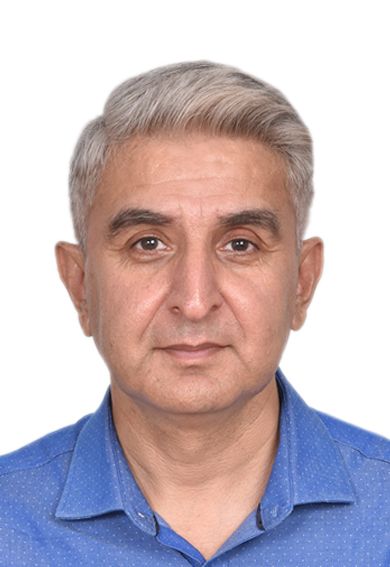
Professor
National Center for Bioinformatics, Faculty of Biological Sciences, Quaid-i-Azam University
Pakistan
National Center for Bioinformatics, Faculty of Biological Sciences, Quaid-i-Azam University
Pakistan
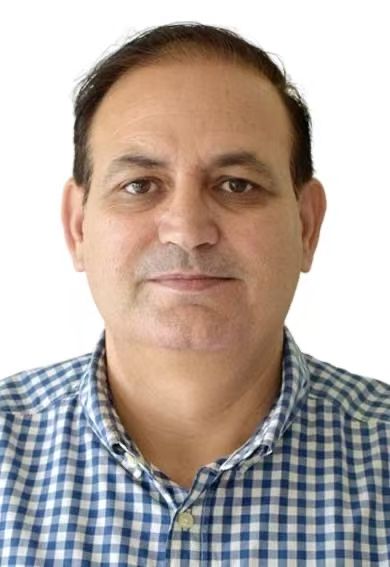
Professor
National University of Sciences & Technology
Pakistan
National University of Sciences & Technology
Pakistan
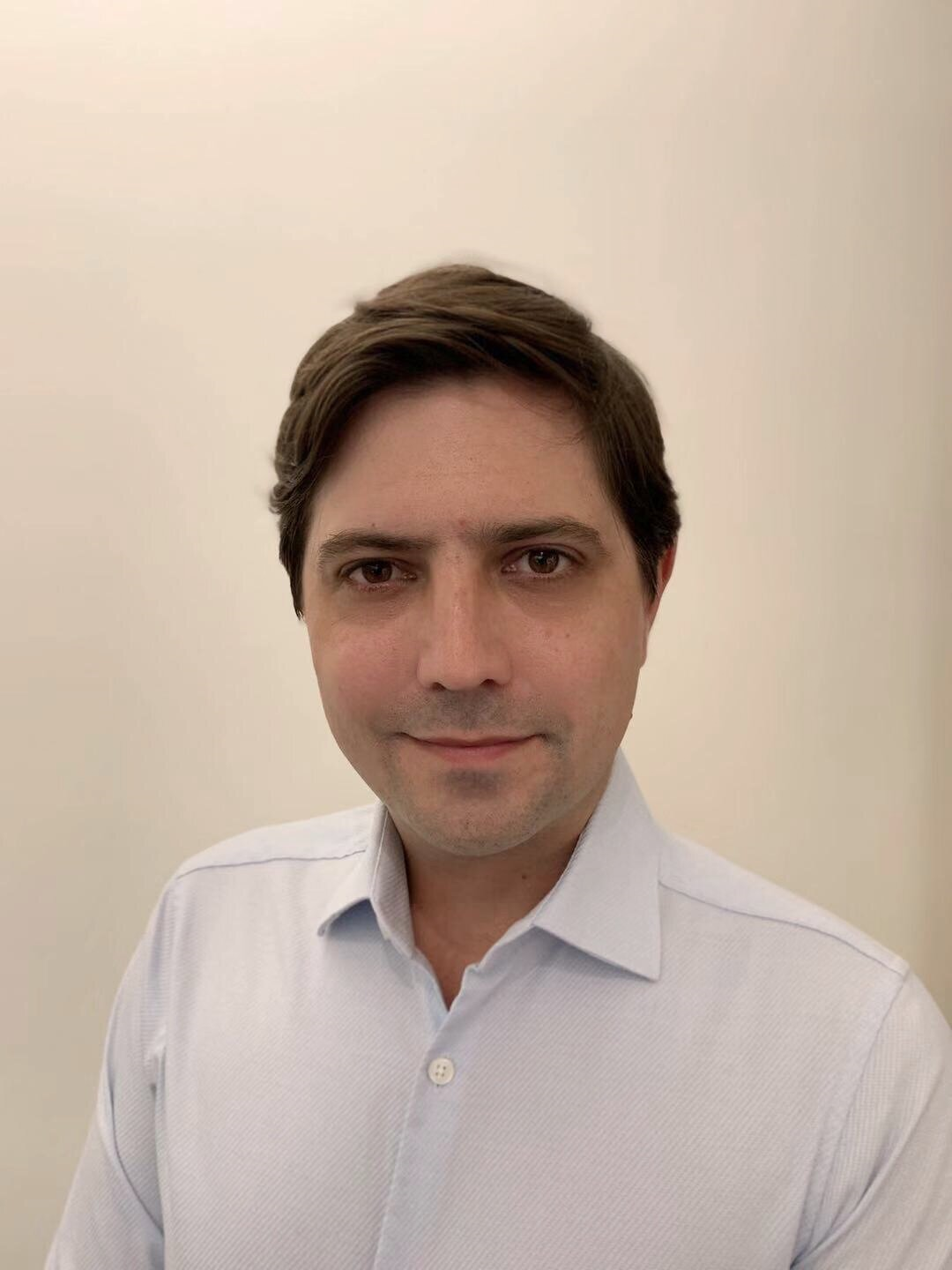
Professor
Xi'an Jiaotong University
China
Xi'an Jiaotong University
China
Associate Professor
Academy of Medical Science
China
Academy of Medical Science
China
Ph.D candidate
China National Center for Bioinformation
China
China National Center for Bioinformation
China
Professor
PI of State Key Laboratory for Quality Ensurance and Sustainable Use of Dao-di Herbs
State Key Laboratory for Quality Ensurance and Sustainable Use of Dao-di Herbs, National Resource Center for Chinese Materia Medica, China Academy of Chinese Medical Sciences
China
PI of State Key Laboratory for Quality Ensurance and Sustainable Use of Dao-di Herbs
State Key Laboratory for Quality Ensurance and Sustainable Use of Dao-di Herbs, National Resource Center for Chinese Materia Medica, China Academy of Chinese Medical Sciences
China
Professor
Assistant Director of the Institute of Vegetables and Flowers, Chinese Academy of Agricultural Sciences
State Key Laboratory of Vegetable Biobreeding, Institute of Vegetables and Flowers, Chinese Academy of Agricultural Sciences
China
Assistant Director of the Institute of Vegetables and Flowers, Chinese Academy of Agricultural Sciences
State Key Laboratory of Vegetable Biobreeding, Institute of Vegetables and Flowers, Chinese Academy of Agricultural Sciences
China
Professor
Beihang University
China
Beihang University
China
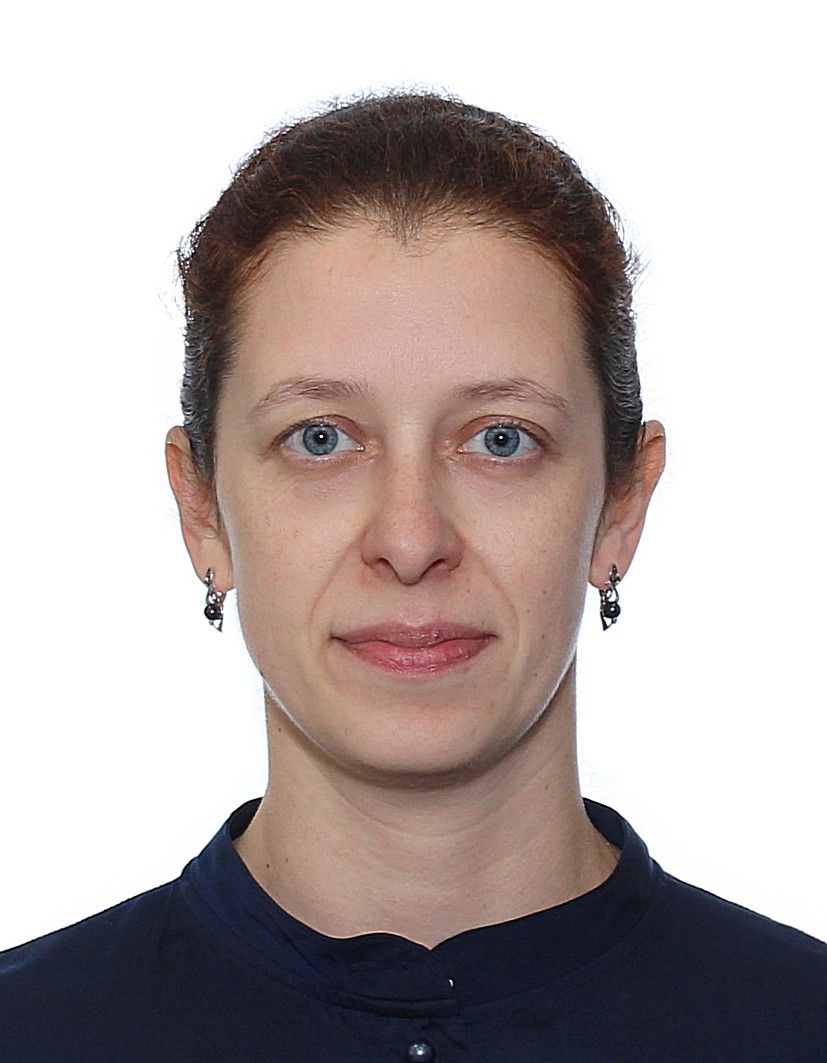
Professor
Head of Laboratory of Molecular Genetic Monitoring
Saint-Petersburg Pasteur Institute
Russia
Head of Laboratory of Molecular Genetic Monitoring
Saint-Petersburg Pasteur Institute
Russia

Professor
Department of Computer Science, Eotvos Lorand University
Hungary
Department of Computer Science, Eotvos Lorand University
Hungary
Associate Professor
Center for Excellence in Brain Science and Intelligence Technology (CEBSIT)
Institute of Neuroscience (ION), Chinese Academy of Sciences
China
Center for Excellence in Brain Science and Intelligence Technology (CEBSIT)
Institute of Neuroscience (ION), Chinese Academy of Sciences
China
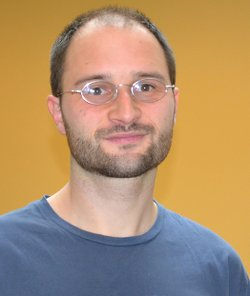
Ph.D.
PI of the UCSC Genome Browser group
Genomics Institute at UC Santa Cruz
USA
PI of the UCSC Genome Browser group
Genomics Institute at UC Santa Cruz
USA
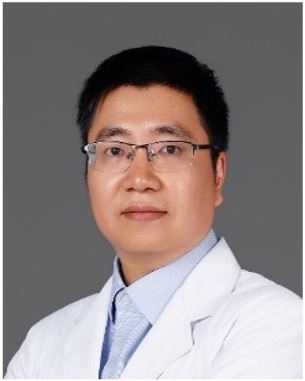
Professor
Guangzhou Women and Children's Medical Center
Director of Division of Birth Cohort Study
China
Guangzhou Women and Children's Medical Center
Director of Division of Birth Cohort Study
China

Ph.D
Branch Head, Epigenomics and Mechanisms
International Agency for Research on Cancer
France
Branch Head, Epigenomics and Mechanisms
International Agency for Research on Cancer
France
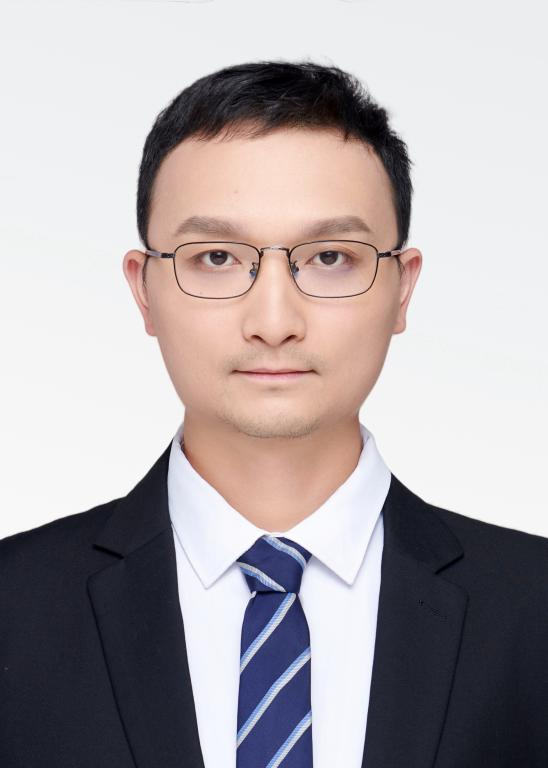
Professor
Xidian University
China
Xidian University
China

Professor
CNCB
China
CNCB
China
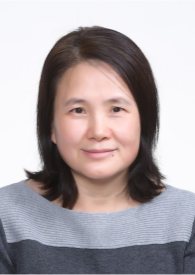
Ph.D
Editorial Office of Genomics, Proteomics & Bioinformatics (GPB)
China
Editorial Office of Genomics, Proteomics & Bioinformatics (GPB)
China
Professor
Director, Centre for Embryology and Healthy Development
University of Oslo
Norway
Director, Centre for Embryology and Healthy Development
University of Oslo
Norway
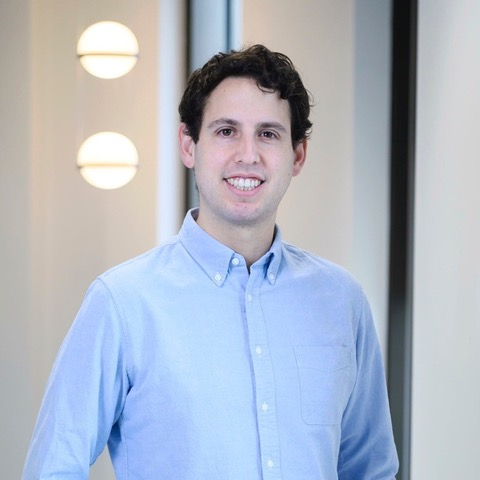
Assistant Professor
University of Cambridge
Visiting Researcher, EMBL-EBI
UK
University of Cambridge
Visiting Researcher, EMBL-EBI
UK
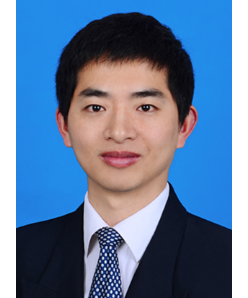
Professor
Vice Director of Hunan Provincial Key Laboratory of Clinical Epidemiology
Central South University
China
Vice Director of Hunan Provincial Key Laboratory of Clinical Epidemiology
Central South University
China
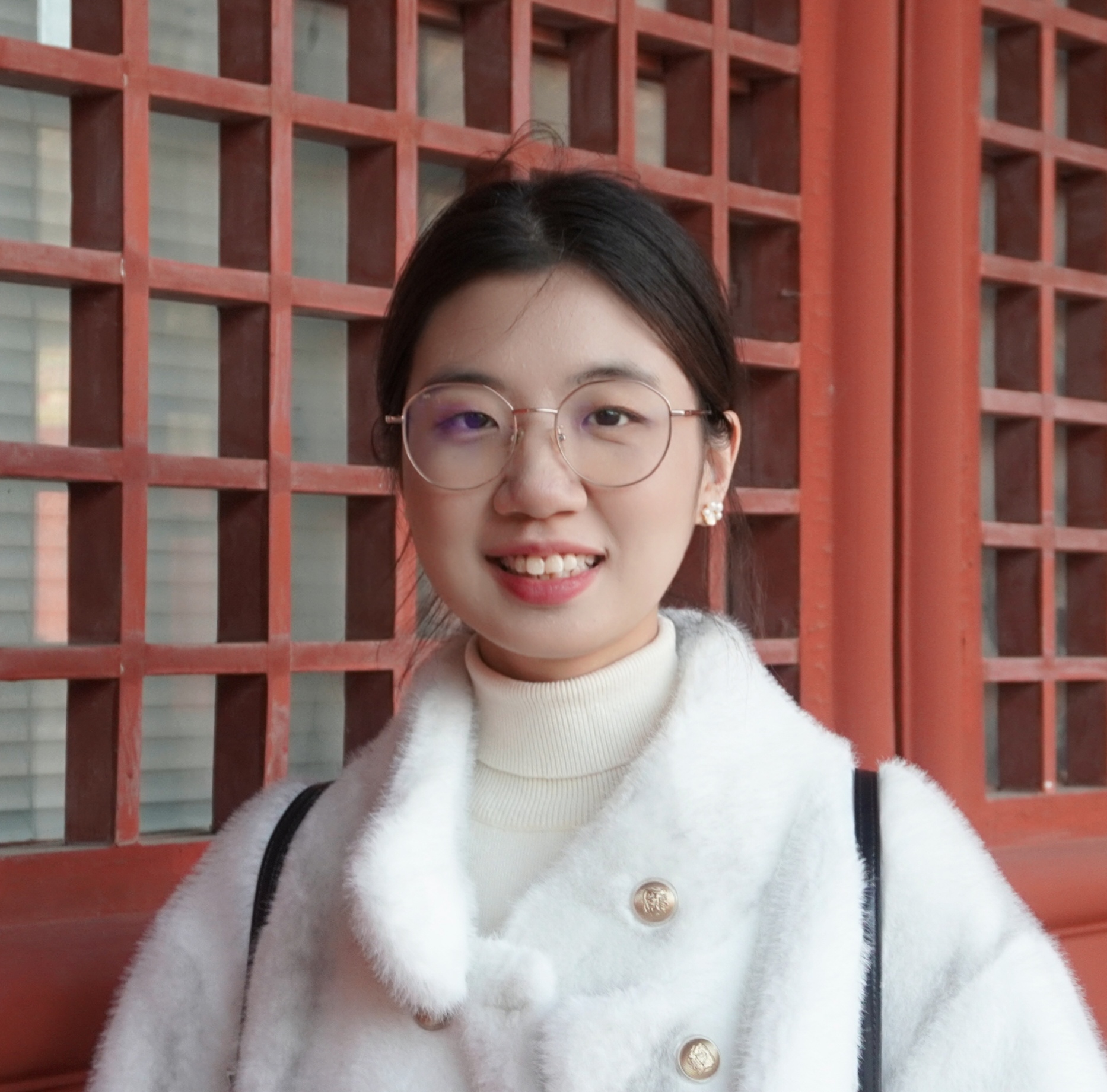
Ph.D candidate
China National Center for Bioinformation
China
China National Center for Bioinformation
China
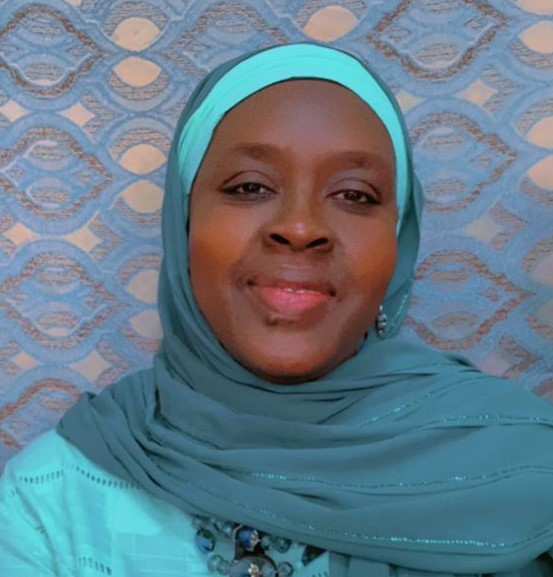
Professor
Université Cheikh Anta DIOP
Senegal
Université Cheikh Anta DIOP
Senegal
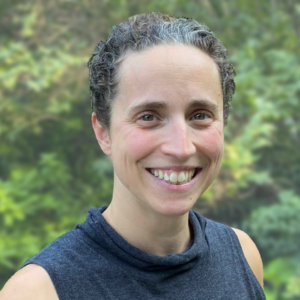
Director, Strategy & Engagement
Global Alliance for Genomics and Health (GA4GH)
USA
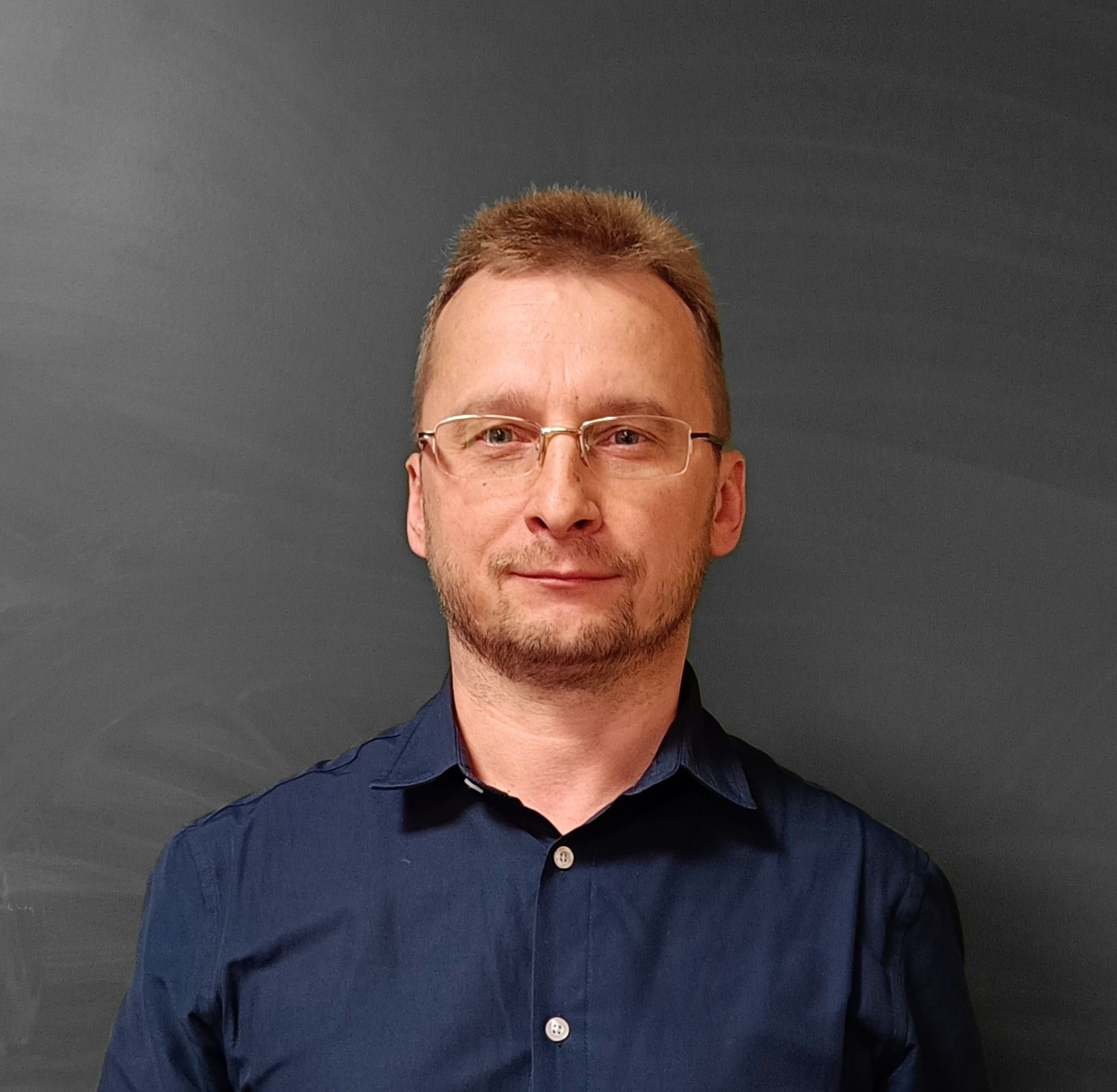
Professor
Head of Laboratory of Metagenomics Research
Saint-Petersburg Pasteur Institute
Russia
Head of Laboratory of Metagenomics Research
Saint-Petersburg Pasteur Institute
Russia
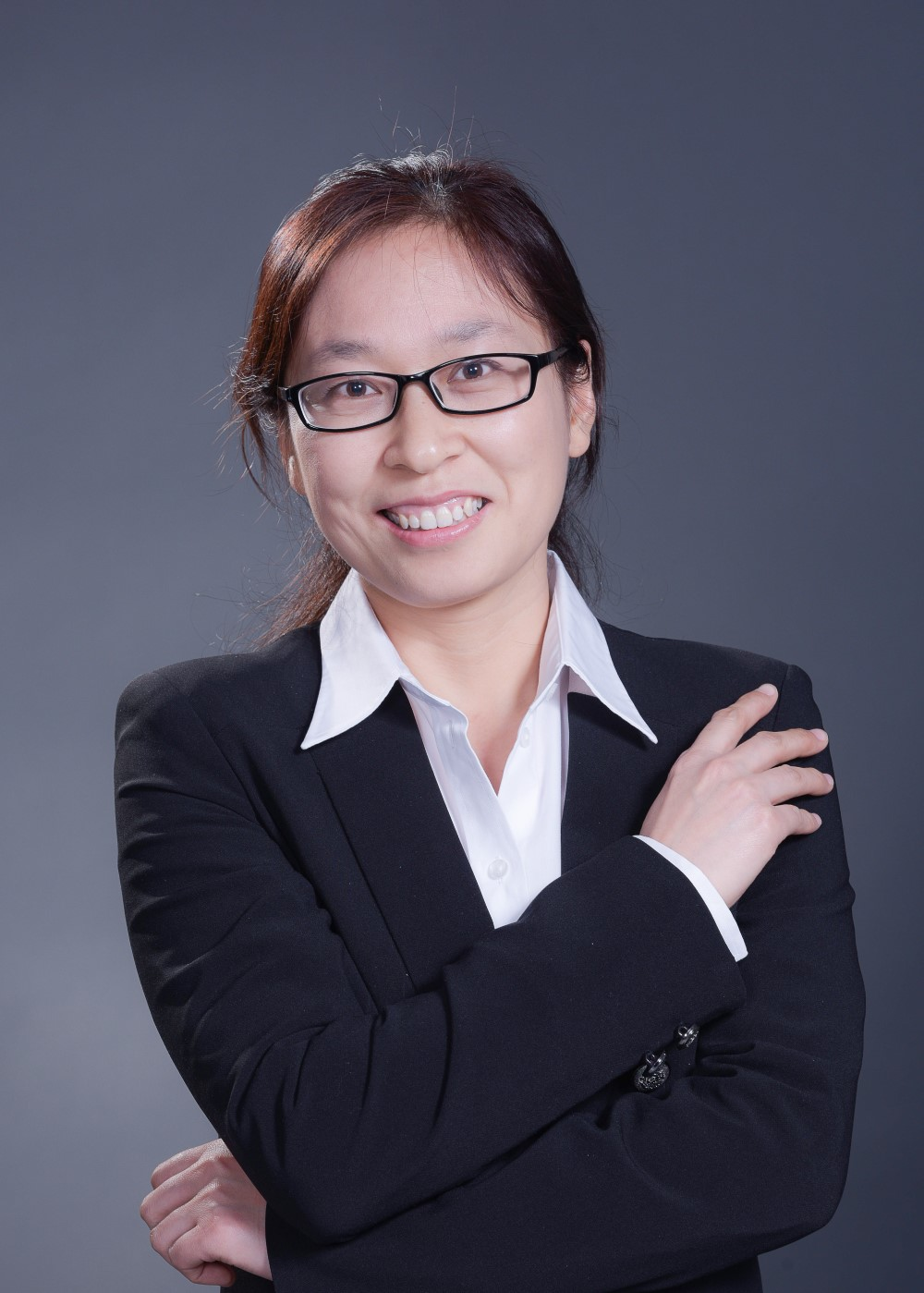
Professor
China National Center for Bioinformation
China
China National Center for Bioinformation
China

Professor
Deputy Director of the Bureau of Basic Science and Technology Capacity, Chinese Academy of Sciences
China
Deputy Director of the Bureau of Basic Science and Technology Capacity, Chinese Academy of Sciences
China
Professor
Vice director of Fudan University Taizhou Institue of Health Sciences
Fudan University
China
Vice director of Fudan University Taizhou Institue of Health Sciences
Fudan University
China
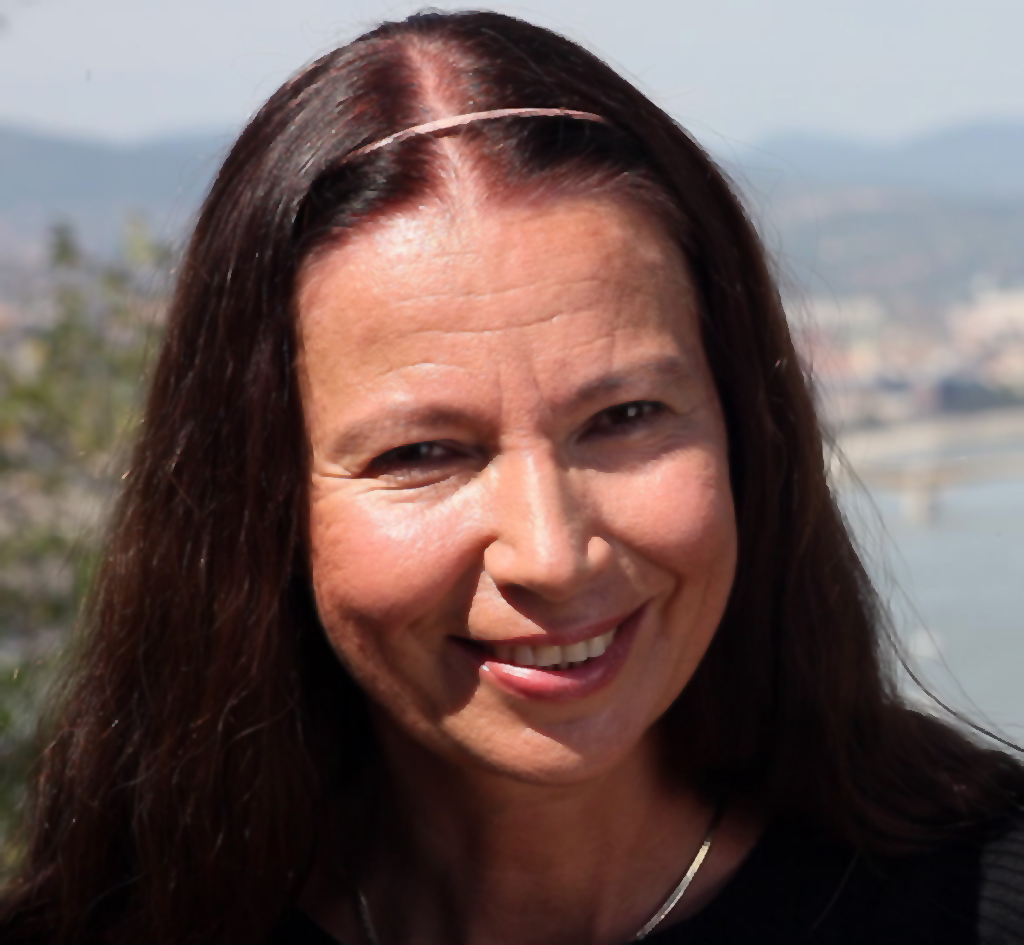
Corr. Member of the Hungarian Academy of Sciences, Member of Academia Europaea
Scientific Advisor, Institute of Molecular Life Sciences
HUN-REN Research Centre for Natural Sciences
Hungary
Scientific Advisor, Institute of Molecular Life Sciences
HUN-REN Research Centre for Natural Sciences
Hungary
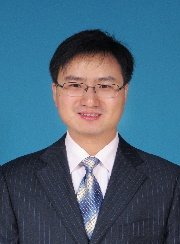
Professor
Peking University
China
Peking University
China
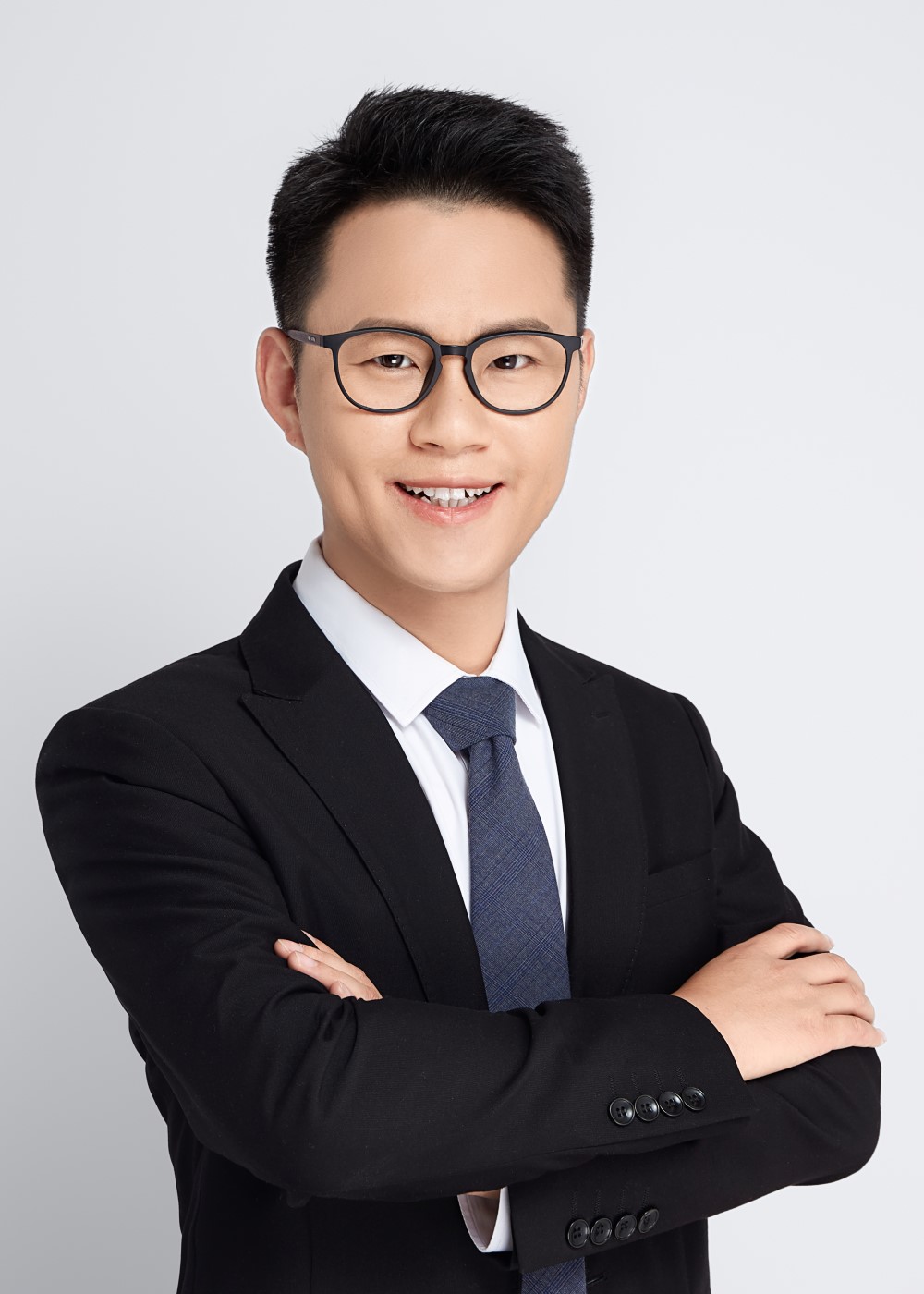
Professor
Director, Application Development Department
China National Center for Bioinformation
China
Director, Application Development Department
China National Center for Bioinformation
China
Associate professor
Beijing Institute of Technology
China
Beijing Institute of Technology
China
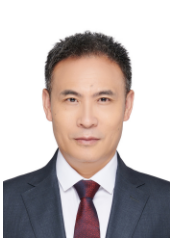
Professor
Director of China National Center for Bioinformation
China
Director of China National Center for Bioinformation
China
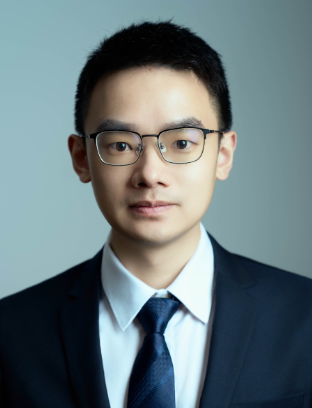
Professor
Peking University
China
Peking University
China

Professor
Associate Director of PolyU Academy for Interdisciplinary Research
The Hong Kong Polytechnic University
China
Associate Director of PolyU Academy for Interdisciplinary Research
The Hong Kong Polytechnic University
China

Professor
Academy of Mathematics and Systems Science,CAS
China
Academy of Mathematics and Systems Science,CAS
China
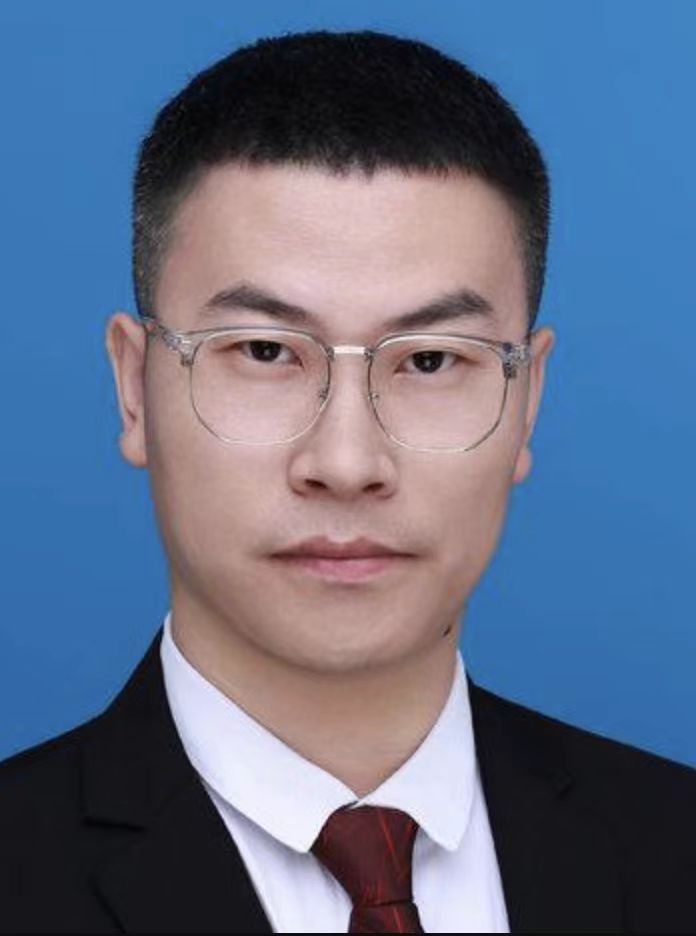
Associate professor
Beijing Neurosurgical Institute
China
Beijing Neurosurgical Institute
China
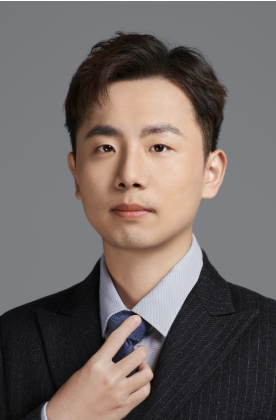
Ph.D.
Shanghai Jiao Tong University
China
Shanghai Jiao Tong University
China
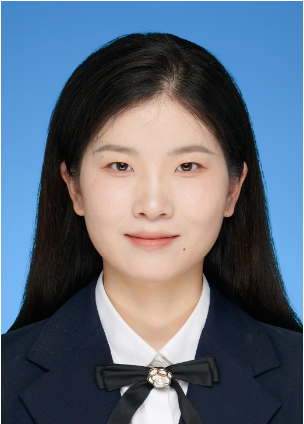
Ph.D candidate
China National Center for Bioinformation
China
China National Center for Bioinformation
China
Professor
Harbin Medical University
China
Harbin Medical University
China
Agenda
| 10/15 星期三 09:00 ~ 09:10 | |
|
Welcome and Opening Remarks Zhang Zhang |
|
| 09:00 - 09:05 |
Welcome Speech
Yungui Yang, Director of China National Center for Bioinformation
|
| 09:05 - 09:10 |
Welcome Speech
Fenzhen Su, Deputy Director of the Bureau of Basic Science and Technology Capacity, Chinese Academy of Sciences
|
| 10/15 星期三 09:10 ~ 12:00 | |
| Session 1: Data integration and curation, chaired by Yun Xiao and Lina Ma | |
| 09:10 - 09:55 |
Keynote
talk: Polygenic Biomarkers of Complex Traits - Identification and Applications
Weixiong Zhang, The Hong Kong Polytechnic University
|
| 09:55 - 10:20 |
Genomic Data Resources in CNCB
Shuhui Song, China National Center for Bioinformation
|
| 10:20 - 10:45 |
Group Photo & Tea Break
|
| 10:45 - 11:10 |
Microbial genomic and metagenomic data analysis tools
Amjad Ali, National University of Sciences & Technology
|
| 11:10 - 11:35 |
Tools and resources for the FAIR application and evaluation of polygenic scores
Samuel Lambert, Visiting Researcher, EMBL-EBI
[Speaker introduction]
Dr. Lambert is an Assistant Professor of Health Data Science at the University of Cambridge and a Visiting Researcher at the EMBL-European Bioinformatics Institute. Dr. Lambert co-leads the development of the Polygenic Score Catalog (www.PGSCatalog.org) project, the largest open resource of polygenic scores. His research focuses on understanding and predicting patterns of multimorbidity that involve common cardiometabolic diseases using multi-omic measurements and linked health record data. |
| 11:35 - 12:00 |
Building a Global Framework for Precision Medicine
Angela Page, Global Alliance for Genomics and Health (GA4GH)
|
| 10/15 星期三 13:30 ~ 17:30 | |
| Session 2: AI algorithms and models, chaired by Xingming Zhao and Yinying Wang | |
| 13:30 - 14:15 |
Keynote
talk: Intelligent decoding and generation of spatial biology
Shihua Zhang, Academy of Mathematics and Systems Science,CAS
|
| 14:15 - 14:40 |
AI methods to determine the graph of the human brain
Vince Grolmusz, Department of Computer Science, Eotvos Lorand University
|
| 14:40 - 15:05 |
The UCSC Genome Browser database
Maximilian Haeussler, Genomics Institute at UC Santa Cruz
|
| 15:05 - 15:20 | Tea Break |
| 15:20 - 15:45 |
Analysis of Gene Regulatory Mechanisms: Based on Multi-omics Big Data and Interpretable AI Attention Models
Hui Zhi, Harbin Medical University
|
| 15:45 - 16:10 |
DNA Damage and Three-dimensional Genome
Hebing Chen, Academy of Medical Science
[Speaker introduction]
陈河兵,军事医学研究院副研究员。清华大学自动化系本科,军事医学科学院生物信息学博士,主要研究染色质结构和基因表达调控,运用深度学习等方法开发三维基因组计算方法并加以应用。作为负责人承担国自然优秀青年基金、面上项目、青年项目以及军委科技委重点项目等多项课题,成果发表在Nature Machine Intelligence、Journal of Clinical Investigation、Trends in Genetics、Genome Research 、Nature Communications、Advanced Science、Genome Biology等期刊。入选全军青年科技英才、北京市科技新星,获得叶剑英英才奖,2024年获批国家自然科学基金优秀青年基金(信息学部)。担任中国人工智能学会生物信息学与人工生命专业委员会秘书长、中国自动化学会智能健康与生物信息专业委员会委员,Quantitative Biology期刊特邀编辑。 |
| 16:10 - 16:35 |
Graph-based identification of cell-cell communication and tissue structures
Yuxuan Hu, Xidian University
|
| 16:35 - 17:00 |
Scalable Stochastic Optimization for Large-Scale Tensor Decompositions
Chunfeng Cui, Beihang University
|
| 10/16 星期四 09:00 ~ 12:00 | |
| Session 3: Biodiversity and Health genomics, chaired by Weihua Chen and Shuhui Song | |
| 09:00 - 09:45 |
Keynote
talk: Antigenic variation genes in the malaria parasite Plasmodium falciparum are enriched in genomic uracil
Beata G. Vertessy, HUN-REN Research Centre for Natural Sciences
|
| 09:45 - 10:10 |
Large-scale sequencing revealed hidden vector-borne pathogens in certain Russian regions
Anna Gladkikh, Saint-Petersburg Pasteur Institute
|
| 10:10 - 10:35 |
Exploring Soil Microbial Diversity in Russian Arctic Ecosystems through Metagenomics
Dmitrii Polev, Saint-Petersburg Pasteur Institute
|
| 10:35 - 10:45 | Tea Break |
| 10:45 - 11:10 |
Exploring viral bioinformatics: From HIV to coronaviruses and flaviviruses
Guangdi Li, Central South University
[Speaker introduction]
李广迪教授作为湖南省重点实验室副主任、生物安全BSL-2级实验室负责人,入选:湖南省“杰出青年”,湖南省“湖湘青年英才”、湖南省“优秀党员”、湖南省“抗击新冠肺炎疫情先进个人”,“全球前2%顶尖科学家”(2021到2024连续4年)。我们团队以病毒流行病学,计算机学,生物化学和生物医学多交叉学科为背景,结合临床实际问题,致力于生物信息学新算法和软件的开发,潜心研究病毒基因组学和抗病毒药物。 |
| 11:10 - 11:35 |
Population and functional genomics of horticultural crops
Feng Cheng, State Key Laboratory of Vegetable Biobreeding, Institute of Vegetables and Flowers, Chinese Academy of Agricultural Sciences
|
| 10/16 星期四 13:30 ~ 17:30 | |
| Session 4: Special session, chaired by Jingyao Zeng and Tianyi Xu | |
| 13:30 - 13:55 |
The National Center for Bioinformatics, Pakistan: An Overview and Ten Years of Collaboration with the Beijing Institute of Genomics, China National Center for Bioinformation
Amir Ali Abbasi, National Center for Bioinformatics, Faculty of Biological Sciences, Quaid-i-Azam University
|
| 13:55 - 14:20 |
Integrative Meta-Plant Genomics and iMeta journal
[Abstract]
Launched in 2022 by the iMeta Science Society, iMeta publishes cutting-edge, cross-disciplinary research for broad scientific audiences. It offers top-tier visibility with an impressive Impact Factor of 33.2, ranking among the Top 65 journals globally and #2 in Microbiology, with a scope comparable to Cell and its sister journals. To maximize the impact of your work, iMeta features innovative dissemination tools like video abstracts, bilingual English-Chinese publications, and a significant social media reach exceeding 600,000 followers. Furthermore, it ensures broad indexing across major databases including SCIE, ESI, PubMed, Scopus, and Google Scholar. With the integration of AlphaFold, ESM-fold, and ESM3, IMP 2.0 predicts the protein structures of 721,540 enzymes. These advancements enable more precise exploration of the functional roles of medicinal plant genes within metabolic pathways.
Tong Chen, State Key Laboratory for Quality Ensurance and Sustainable Use of Dao-di Herbs, National Resource Center for Chinese Materia Medica, China Academy of Chinese Medical Sciences
[Speaker introduction]
2009 年本科毕业于东北林业大学,2015 年硕博毕业于中国科学院遗传与发育生物学研究所,数据驱动的中药道地性形成和高品质生产研究开展:⑴ 中药大数据资源底座的持续建设;⑵ 中药大数据资源的智算整合挖掘。以及基于数据库联合开展①中药道地性形成分子机制研究;②高品质中药生产和鉴定;③中药合成生物学研究和中药新资源挖掘等,在Cell Stem Cell (封面文章),Nucleic Acids Research,Nature communications, Protein & Cell, iMeta等高水平杂志以第一或通讯作者发表文章十二篇,累积引用 4000 +次;开发在线绘图和分析平台 ImageGP、BIC、EVenn、植物整合基因组平台IMP (获中华中医药学会 2023 年年度十大学术进展之一),使用超 200 万人次,3 篇文章获评科睿唯安 ESI 高被引论文(Top 1%);运营有十六万人关注的微信公众号《生信宝典》,分享有1500 多篇生物信息分析原创文章、教程和视频,阅读播放千万次。联合创办iMeta期刊(影响因子:33.2),现为执行主编,致力于打造微生物和生物信息领域的国产高水平综合性杂志。 |
| 14:20 - 14:45 |
Publish with GPB
Yuxia Jiao, Editorial Office of Genomics, Proteomics & Bioinformatics (GPB)
|
| 14:45 - 15:00 | Tea Break |
| 15:00 - 15:25 |
Probing Consciousness at Bedside
[Abstract]
Assessing residual consciousness in unresponsive patients remains a major clinical concern and a challenge for cognitive neuroscience. Here we propose a bedside consciousness assessment framework grounded in hierarchical cognitive processing. We first examined electroencephalography (EEG) responses to linguistic hierarchies (word, phrase and sentence) in patients with disorders of consciousness (DoC) and under general anesthesia (GA), and further characterized the spatiotemporal dynamics of hierarchical language processing using intracranial electrocorticography (ECoG). By integrating multiple cognition-related neural markers, we enabled robust clinical diagnosis and prognosis in DoC patients, as well as tracking of anesthetic susceptibility in GA patients. Building on these findings, we further established a generalized, multi-center framework for consciousness assessment in DoC patients, by using artificial language and brain state-based approaches. Together, our study demonstrates the translational value of EEG-based cognitive markers for probing consciousness at the bedside.
Peng Gui, Institute of Neuroscience (ION), Chinese Academy of Sciences
[Speaker introduction]
Dr. Peng Gui is an associate investigator at the CEBSIT/ION, Chinese Academy of Sciences. He obtained his Ph.D. in Psychology and Cognitive Science from East China Normal University and completed his postdoctoral training at CEBSIT. His research focuses on the neural dynamics and cognitive mechanisms of altered states of consciousness, such as disorders of consciousness and anesthesia. His work has been supported by the National Natural Science Foundation of China and the Youth Innovation Promotion Association of CAS, and has been published in journals including Nature Neuroscience and eLife. He was also a nominated awardee in the Shanghai “35U35” program. |
| 15:25 - 15:50 |
Highly accurate ab initio gene annotation with ANNEVO
Stephen Bush, Xi'an Jiaotong University
|
| 15:50 - 16:15 |
Genomics for global health: lessons learned from Senegal
Rokhaya Ndiaye, Université Cheikh Anta DIOP
|
| 16:15 - 16:45 |
Lightning Talks
|
| 16:15 - 16:25 |
Kingdom-wide evolutionary characterization of RNA editing factors in Archaeplastida
Ming Chen, China National Center for Bioinformation
|
| 16:25 - 16:35 |
Peripheral blood RNA modifications as a novel diagnostic signature for polycystic ovary syndrome
Xinxin Liu, China National Center for Bioinformation
|
| 16:35 - 16:45 |
DNA Methylation–Based Classification and Multi-Omics Knowledge Portal Development for Gout
Guangmin Zheng, China National Center for Bioinformation
|
| 10/17 星期五 09:00 ~ 11:40 | |
| Session 5: Single-cell omics, chaired by Lan Jiang | |
| 09:00 - 09:45 |
Keynote
talk: Profiling RBP-RNA interactome in single cells and live cells
Yangming Wang, Peking University
|
| 09:45 - 10:10 |
Digital reconstruction of human embryonic development from the peri-implantation period to gastrulation
Zhenyu Xiao, Beijing Institute of Technology
|
| 10:10 - 10:35 |
Automating Therapeutic Target Discovery via A Self-Evolving Virtual Disease Biologist
Shuangjia Zheng, Shanghai Jiao Tong University
[Speaker introduction]
Shuangjia Zheng (郑双佳) is a tenure-track Assistant Professor at the Global Institute of Future Technology (GIFT) and School of Artificial Intelligence, Shanghai Jiao Tong University. His research interests are broadly at the intersection of applied machine learning for problems in biology, chemistry, and medicine, with a particular interest in the discovery and design of novel therapeutic biomolecules. He earned his Ph.D. in Computer Science at Sun Yat-sen University and served as a visiting scientist at MIT and Harvard. During his Ph.D., he was also a founding member of a hundred-million-dollar AI drug discovery startup. His work has been recognized by numerous awards, including the Asian Young Scientist Fellowship, Forbes 30 Under 30 Asia, WAIC Rising Star Award, RayWu Fellowship, and Baidu Scholarship. |
| 10:35 - 10:50 | Tea Break |
| 10:50 - 11:15 |
Spatiotemporal mapping of gene regulatory network
Hu Zeng, Peking University
|
| 11:15 - 11:40 |
AI-Driven Cohort-Scale Single-Cell Multi-Omics
Lan Jiang, CNCB
[Speaker introduction]
Dr. Lan JIANG earned his PhD from the Beijing Institute of Genomics, Chinese Academy of Sciences, under the supervision of Dr. Chung-I Wu (Academician of Academia Sinica) in 2013. He then conducted postdoctoral research at Harvard Medical School in Boston with Dr. Yi Zhang (Member of the National Academy of Medicine) from 2013 to 2018. In 2018, he became a Principal Investigator at the Beijing Institute of Genomics, Chinese Academy of Sciences, and the China National Center for Bioinformation (CNCB). His research focuses on developing innovative single-cell and spatial multi-omics techniques and machine learning to create a virtual cell AI model. Dr. JIANG has published over 30 papers in high-impact journals such as Nature, Cell, and Nature Methods. The NIH K99 Award and the Ray Wu Prize have recognized his scientific achievements. |
| 10/17 星期五 13:30 ~ 17:30 | |
| Session 6: Cohort and precision medicine, chaired by Minxian Wang and Zhenglin Du | |
| 13:30 - 14:15 |
Keynote
talk: Cancer Epigenomics: Unraveling Molecular Mechanism to Advance Treatment and Prevention
Zdenko Herceg, International Agency for Research on Cancer
|
| 14:15 - 14:40 |
Epitranscriptomic regulation of meiosis and the preimplantation embryo
Arne Klungland, University of Oslo
|
| 14:40 - 15:05 |
The Chinese Glioma Genome Atlas (CGGA): From Genomics and Mechanisms to Clinical Translation
Zheng Zhao, Beijing Neurosurgical Institute
|
| 15:05 - 15:20 | Tea Break |
| 15:20 - 15:45 |
The Taizhou Longitudinal Study: A Population-based Biobank Resource in China
Chen Suo, Fudan University
|
| 15:45 - 16:10 |
The Born in Guangzhou Cohort Study Enables Generational Genetic Discoveries
Jianrong He, Director of Division of Birth Cohort Study
[Speaker introduction]
Dr. Jianrong He is an epidemiologist specializing in maternal and child health at Guangzhou Women and Children’s Medical Center. He oversees the operation and management of the Born in Guangzhou Cohort Study (BIGCS), one of the largest prospective birth cohort studies in China. Since its establishment in 2012, BIGCS has enrolled more than 62,000 mother-child pairs and maintained a biobank with over 2.9 million biospecimen aliquots. His research focuses on maternal and child health epidemiology, utilizing large-scale birth cohort data in combination with traditional epidemiological approaches and multi-omics technologies to examine risk factors, biological mechanisms, and long-term outcomes for women’s and children’s health. He has published around 100 papers in peer-reviewed journals such as Nature, JAMA, JAMA Network Open. He has also led three projects funded by the National Natural Science Foundation of China. Dr. He serves as an Editorial Board Member of BMC Medicine and as a reviewer for several international journals such as The BMJ, JAMA Pediatrics, The Lancet Planetary Health, and The Lancet Regional Health. In addition, he is a member of the Committee on Childhood Obesity Prevention of the Chinese Preventive Medicine Association and a Youth Member of the Women’s Health Branch of the same association. |
| 16:10 - 16:35 |
Genomic-driven personalized risk assessment for cardiovascular diseases in large population cohorts
Minxian Wang, China National Center for Bioinformation
|