|
|
| (6 intermediate revisions by one other user not shown) |
| Line 13: |
Line 13: |
| | This gene is reported as GW2, a new QTL that controls rice grain width and weight. GW2 encodes a previously unknown RING-type protein with E3 ubiquitin ligase activity, which is known to function in the degradation by the ubiquitin-proteasome pathway. Loss of GW2 function increased cell numbers, resulting in a larger (wider) spikelet hull, and it accelerated the grain milk filling rate, resulting in enhanced grain width, weight and yield. GW2 negatively regulates cell division by targeting its substrate(s) to proteasomes for regulated proteolysis. The functional characterization of GW2 provides insight into the mechanism of seed development and is a potential tool for improving grain yield in crops. | | This gene is reported as GW2, a new QTL that controls rice grain width and weight. GW2 encodes a previously unknown RING-type protein with E3 ubiquitin ligase activity, which is known to function in the degradation by the ubiquitin-proteasome pathway. Loss of GW2 function increased cell numbers, resulting in a larger (wider) spikelet hull, and it accelerated the grain milk filling rate, resulting in enhanced grain width, weight and yield. GW2 negatively regulates cell division by targeting its substrate(s) to proteasomes for regulated proteolysis. The functional characterization of GW2 provides insight into the mechanism of seed development and is a potential tool for improving grain yield in crops. |
| | Reduced expression of GW2 increases grain size (mainly grain width), resulting in enhanced grain weight, whereas overexpression | | Reduced expression of GW2 increases grain size (mainly grain width), resulting in enhanced grain weight, whereas overexpression |
| − | decreases grain size and weight. The naturally occurring WY3 allele of GW2, which encodes a truncated version of the protein with a 310–amino | + | decreases grain size and weight(from reference<ref name="ref1" />). |
| | + | |
| | + | The naturally occurring WY3 allele of GW2, which encodes a truncated version of the protein with a 310–amino |
| | acid deletion, increases the number of cells of the spikelet hull, resulting in a wider spikelet hull, and subsequently | | acid deletion, increases the number of cells of the spikelet hull, resulting in a wider spikelet hull, and subsequently |
| | accelerates the grain milk filling rate, resulting in increased grain width, weight and yield. | | accelerates the grain milk filling rate, resulting in increased grain width, weight and yield. |
| Line 32: |
Line 34: |
| | data suggest that GW2 E3 ligase is a new negative regulator of cell division, targeting its substrate(s) to proteasomes for regulated proteolysis. We examined GW2 for the presence of other known domains | | data suggest that GW2 E3 ligase is a new negative regulator of cell division, targeting its substrate(s) to proteasomes for regulated proteolysis. We examined GW2 for the presence of other known domains |
| | but did not find any known domains in GW2. Identification and characterization of both the substrate-binding domain of GW2 and | | but did not find any known domains in GW2. Identification and characterization of both the substrate-binding domain of GW2 and |
| − | the GW2 target substrate will be challenging but worth pursuing. | + | the GW2 target substrate will be challenging but worth pursuing(from reference<ref name="ref1" />). |
| | | | |
| | ===Expression=== | | ===Expression=== |
| Line 57: |
Line 59: |
| | ==References== | | ==References== |
| | <references> | | <references> |
| − | <ref name="ref1"> | + | <ref name="ref1">Song, X. J., Huang, W., Shi, M., Zhu, M. Z., & Lin, H. X. (2007). A QTL for rice grain width and weight encodes a previously unknown RING-type E3 ubiquitin ligase. Nature genetics, 39(5), 623-630.</ref> |
| − | 1.Song, X. J., Huang, W., Shi, M., Zhu, M. Z., & Lin, H. X. (2007). A QTL for rice grain width and weight encodes a previously unknown RING-type E3 ubiquitin ligase. Nature genetics, 39(5), 623-630.</ref1>
| + | <ref name="ref2">Li, Q., Li, L., Yang, X., Warburton, M.L., Bai, G., Dai, J., Li, J., and Yan, J. (2010). Relationship, evolutionary fate and function of two maize co-orthologs of rice GW2 associated with kernel size and weight. BMC Plant Biol 10, 143.</ref> |
| − | </references>
| |
| − | | |
| − | <ref name="ref2"> | |
| − | 2.Li, Q., Li, L., Yang, X., Warburton, M.L., Bai, G., Dai, J., Li, J., and Yan, J. (2010). Relationship, evolutionary fate and function of two maize co-orthologs of rice GW2 associated with kernel size and weight. BMC Plant Biol 10, 143.</ref>
| |
| | </references> | | </references> |
| | | | |
| | ==Structured Information== | | ==Structured Information== |
| − | {{JaponicaGene|
| + | [[Category:Genes]][[Category:Oryza Sativa Japonica Group]][[Category:Japonica Chromosome 2]] |
| − | GeneName = Os02g0244100|
| |
| − | Description = Zinc finger, RING-type domain containing protein|
| |
| − | Version = NM_001052949.1 GI:115445268 GeneID:4328856|
| |
| − | Length = 6429 bp|
| |
| − | Definition = Oryza sativa Japonica Group Os02g0244100, complete gene.|
| |
| − | Source = Oryza sativa Japonica Group
| |
| − | | |
| − | ORGANISM Oryza sativa Japonica Group
| |
| − | Eukaryota; Viridiplantae; Streptophyta; Embryophyta; Tracheophyta;
| |
| − | Spermatophyta; Magnoliophyta; Liliopsida; Poales; Poaceae; BEP
| |
| − | clade; Ehrhartoideae; Oryzeae; Oryza.
| |
| − | |
| |
| − | Chromosome = [[:category:Japonica Chromosome 2|Chromosome 2]]|
| |
| − | AP = Chromosome 2:8144222..8150650|
| |
| − | CDS = 8144506..8144706,8145995..8146046,8146132..8146177,8146270..8146351,8146430..8146592<br>,8146685..8146787,8148484..8148550,8149829..8150386|
| |
| − | GCID = <gbrowseImage1>
| |
| − | name=NC_008395:8144222..8150650
| |
| − | source=RiceChromosome02
| |
| − | preset=GeneLocation
| |
| − | </gbrowseImage1>|
| |
| − | GSID = <gbrowseImage2>
| |
| − | name=NC_008395:8144222..8150650
| |
| − | source=RiceChromosome02
| |
| − | preset=GeneLocation
| |
| − | </gbrowseImage2>|
| |
| − | CDNA = <cdnaseq>atggggaacaggataggggggaggaggaaggcgggggtggaggagaggtacacgaggccgcaggggctgtacgagcacagggacatcgaccagaagaagctccggaagctgatcctcgaggccaagctcgcgccgtgctacatgggcgccgacgacgccgccgccgccgccgacctcgaggagtgccccatctgcttcctgtactacccaagtcttaaccgatcaaagtgttgctcaaaagggatatgcaccgagtgctttctccaaatgaaaccaactcacactgctcagcctacacaatgtccattctgcaaaactcccagttatgctgtggagtatcgtggtgtaaagacaaaggaggaaaggagcatagaacaatttgaagagcagaaagtcatagaagcacaaatgaggatgcgccagcaagcacttcaagatgaagaagataagatgaaaagaaaacagaacaggtgctcttctagcagaacaatcacaccgaccaaagaagtggagtatagagatatttgcagcacatccttttcagtgccgtcataccgatgtgctgagcaagaaactgaatgctgttcatcggaaccttcatgctctgcccagactagcatgcgccctttccattctaggcataaccgtgatgataacattgacatgaatatagaggatatgatggttatggaagcgatttggcgttccattcagggaagtatagggaatcctgtctgtggcaactttatgcctgtaactgagccatctccgcgtgaacgccagccattcgttccagctgcttctctagaaatacctcatggtggtggattttcctgtgcggttgcggcaatggctgagcaccagccacccagtatggacttctcttacatggctggcagcagcgcattcccagttttcgacatgttccggcgaccatgcaacattgctggtggaagcatgtgtaatctggagagctcaccggagagctggagcgggatagcaccaagctgcagcagggaagtggtaagagaagaaggagagtgctcggctgaccactggtcggagggtgcagaggccggaacaagctacgcgggctcagacatcgtggcagatgccgggaccatgccgcagctgcctttcgccgagaacttcgccatggcgccaagccacttccgcccggagagcatcgaagaacagatgatgttttccatggctctttctttagcagatggtcatggaagaacacactcgcaagggttggcatggttgtag</cdnaseq>|
| |
| − | AA = <aaseq>MGNRIGGRRKAGVEERYTRPQGLYEHRDIDQKKLRKLILEAKLA PCYMGADDAAAAADLEECPICFLYYPSLNRSKCCSKGICTECFLQMKPTHTAQPTQCP FCKTPSYAVEYRGVKTKEERSIEQFEEQKVIEAQMRMRQQALQDEEDKMKRKQNRCSS SRTITPTKEVEYRDICSTSFSVPSYRCAEQETECCSSEPSCSAQTSMRPFHSRHNRDD NIDMNIEDMMVMEAIWRSIQGSIGNPVCGNFMPVTEPSPRERQPFVPAASLEIPHGGG FSCAVAAMAEHQPPSMDFSYMAGSSAFPVFDMFRRPCNIAGGSMCNLESSPESWSGIA PSCSREVVREEGECSADHWSEGAEAGTSYAGSDIVADAGTMPQLPFAENFAMAPSHFR PESIEEQMMFSMALSLADGHGRTHSQGLAWL</aaseq>|
| |
| − | DNA = <dnaseqindica>285..485#1774..1825#1911..1956#2049..2130#2209..2371#2464..2566#4263..4329#5608..6165#gcagcagagaggtctccacttccctttcctcccaccccgagaaagccaaaaaaagaaaaattatttttcaaaaaaaaagctcgcctcgccctcgcgtcgtcgtccccatcaccccccctcctccgctccgagtacgcgtgcgtataccaccacctccatctccaccaccgtatgtatctacggtgaggcggcggcggcggaggaggaggaggagggggagtggtgagggtttcatctgcggaggaggagggaggaggagggaggagggtagatctgggagggggatggggaacaggataggggggaggaggaaggcgggggtggaggagaggtacacgaggccgcaggggctgtacgagcacagggacatcgaccagaagaagctccggaagctgatcctcgaggccaagctcgcgccgtgctacatgggcgccgacgacgccgccgccgccgccgacctcgaggagtgccccatctgcttcctggtataaaaccgcctccggggagatgtggcgggtggacgggaggaagagatctctcccctcttcctcacttcctcctcccgcttccttccacttcagctttttctctctttttttttggtgggattttgtcgtaatgctactactagtacttgttgttgcgagagtagggcgtggattgcgtgtggccgggtggtggcgtggagcgtttcgattagggggttgattacttttgctcctgttcgattgtggagagtgccggtggtgtgtggccgttatggagatggatgaccacgcgcagtgttttggggcaagaatttcagtcgacattggcacggttttggggttgtttgtattgttcttggataattagtgcggttcgtggagctgattttgcgaaatgtagtagtagtgtttgaattatttctggtagttagtagtggtatcatacttcgtatgtacattgtccgcaatgttctcctaaattgttttgttttcttaatcatagtttacttacttttattatgtaattctgagatacgtttttttgggataattatagtctaggaggttttgggtactcatttattattgtcaatattctataggcctatctattggctgcctggctgtgatgcattgcatgaaatttaatgtttactgccactcccggggttgggacattacagaccttataggaaatttgactagtttcataaatgaataattggccaactgttctgcaatgttgggtgccttcaatttctaatagtggatgctctatagagtacggaggtaccatggtgatatttgtttgttgtgtgtaatactttatttttggtgtattaatgctcttgggaaccgagattgagaatctattgtagtgaacttgattctgttagctgtgccagagtattttcgatgtctcttgtcaagcctgcatttatttggcacaaagtagattttttaaaaaaaaattctgcagctttaatgctactagcttactgcaattaatgttattactatataggaattttaatgcaattctatatggttgcaattttattgcaattctgcttcattagatctttagctcaaaatcactcaataaatttggttttagatgaaatcatgaaacttgtattataggagtatattatatttggtgttgaattatatgtttgcatttgtgctaatagtggtatttaacaattatcacttctggtatttctgagttcaaactgtttgacaaccactcctgtcctgaaatgcatgttttctttctttgtagtactacccaagtcttaaccgatcaaagtgttgctcaaaagggatatgcaccggtaatacatctatcctataactaacaattgtgttttacttgttaggaccatatacccttatattcaatggttggtttttttgcagagtgctttctccaaatgaaaccaactcacactgctcagcctacacagtatcctttgtgtcacccttgattatattttgtaaccttggcagttggcaatctatattcctttttatgaaaaaaatacttaaccaataaagatgtccattctgcaaaactcccagttatgctgtggagtatcgtggtgtaaagacaaaggaggaaaggagcatagaacaatttgtaagtaatttatattctgatgttttttttttgttttgccaaatgcatttcatttatctcacataatatgtgttacaggaagagcagaaagtcatagaagcacaaatgaggatgcgccagcaagcacttcaagatgaagaagataagatgaaaagaaaacagaacaggtgctcttctagcagaacaatcacaccgaccaaagaagtggagtatagagatatttgcagcacatccttttcaggtctgcacaggctgcaactaacatagaaatttagtaatgtaccatttcttctgcttgatgtggtaatttactatgtgttatgtctgtttcagtgccgtcataccgatgtgctgagcaagaaactgaatgctgttcatcggaaccttcatgctctgcccagactagcatgcgccctttccattctaggcataaccggtatgttattatctttttctctgagttttagggtgtcattgtagcctggttatgttgaactgcaaaccttactacacttctatgttaaataccctacctcaaccatgttgaagggaagcaaatgagaagtattgttaaaataggataaaggaaagtaacagtattatctatagaatcaaatcgataacaaagatcaaccgttggattaaattggatagtggggaccagacaccataaaacactggcatttcggacaagatcatttaattattccactttaagcttgtgcagtctgtcctgatccactgcactatttaagtggatgagaagctgtgattggagttactgttctagtgttaaggttgacttgtatcagatacaattgcctatccagtgacaaagtttgaatgtttaatttgtgaaagtgtgaatggagagaatttctgcccacatcattgttgtaccatgatagttacagtaatctttagtttatctatactctagagggataaaaacaccaaaacagtttgatcaaaattgttcgaggtaaatcctaagtataaaattgagaatggatttgtttttcaatatggttatttgttatcgacattcagtgtttttatttcacacaatggccaattccgaaaaaacaatctgggttctttttatcccactgtccataccaagttgatgtagcaagtaactactacacaaaatagtatattgtagccctttacatgcatccaatagattaagtggtcttcaatccaaggatgaaataagcaataacgtaggttccgataccaaattagcacaaaacaatgctaaatgcttttagaggaagtaaaccactcatttggttcttttacctataaacttgtgttcgcttgatgttctcaatattgtcaggctattttatagacttgaggagtaaacatttcttgatgacgttatcttctcctattgtgctagacataaaatacagtgtagcataacttgtgtactgtgagtttttttcaagtttttcttgatgctgcacaatagtatacaacaatcgtctattcagtcacacatggcacatcctcacatcaaacagaagttactttttatgatgttaatgtgtagtataacagcagaagctaaacggtagagggatacaggatactcgagtcaatatgaagttggggttccatggagtatttgaatcgaataaaacatcttgatgatcaatattggttttcatattgtttctataagctagtttcatatttttctagagaacctattattattttgcttcctgtcctcctcagaagattgacattctgtactggtagtgaatttgtgtttccctcataccctgtttgggagggtttcaacgtcagcttagtgcagtgctgcaaagtttaaactctatgaccagagcataagtatggcttaaggacttctgatgacaaagccatttttgaaacctgaagcctattttgatcaacttatgaacttatatggaaaaccagtttctgaaagaggccaaatatcaataaatggtgccttaatctcccttcagttttatagtttaccatatggatatttttcctgtactaagtgtttcttgcttgctggtcatgataatcctttatgctgttgagatgaaaatggtttctaaaattatgaaactgtgtgtttccccttacagtgatgataacattgacatgaatatagaggatatgatggttatggaagcgatttggcgttccattcaggttagtagttttctcactggtccttacatgagattattgataatatgcatatggcatactgtggataatattataaaagctgatttgttgggtcaggtaatggtttgtaaatgagctgcacaaaaatagattgttatttgcattgaacatgaaagtttgctaatctcctggcatgcttgttgaattcagagcattttgcgagttctgataaatgcaagatctagtctgcacaagcagaacctgtattgttaagtgttcaataataaaaaaaaatgtcaattaaattgttgagaagtgtattggcgatagtggataatgtaggatatgtttggtttgagggaccaacatcagttagttcatcattgcctcattcctcaggcacatgctagtggaaaaatgagtaatgcagtattcatgccaaaatcatcctagatggtgtgattcctcaaacaaaacaggccagtagatgatggggttggtaagataagttatctttttgtcattttacttgagcagtactgcgcttggcacaaaaatatttctggtcattttgtgagaacaagaggacttttcacattcctgcattcctgaagggaacttattatctaacagcattgctaaactcagctcttcccatgcccttagccatcaaattgatttgttatgatggttgcattgttagttttgcggtcccaattattagccacttaacgttcaggtcaggaactaatggtgttttttttctccgtcctttgtgttatactacctccatcctaaaataagtgcagccatgagtttccgcgcccaactttgatcgtccgttttatttgaaatttttttataattagcatttttgttgttataagatgataaaacatgaatagtactttactcgtgacttatgtttttgattttttcaaaaaaatttcaaataagacgaatggtcaaagttgggcgctgaaaaccatggctgcacttattttgggacggaggtagtatcatttattcatttgctgttcaagctgtagctcatcgtgtactgttccccaataagttgcttgccatttggtctatgtttccagcttctttcttttgtgagcatttttccttctgtatagcttgttactagaaagatgtaaactttatgttaaatgctgcttcatctttgaatttagattcttgggaataaacaataagcaaagttcatgtattgcgtatagaaaagtctgcatatatttctatcctaatacggtcaatcttttctctgagcaggagcagggaagtatagggaatcctgtctgtggcaactttatgcctgtaactgagccatctccgcgtgaacgccagccattcgttccagctgcttctctagaaatacctcatggtggtggattttcctgtgcggttgcggcaatggctgagcaccagccacccagtatggacttctcttacatggctggcagcagcgcattcccagttttcgacatgttccggcgaccatgcaacattgctggtggaagcatgtgtaatctggagagctcaccggagagctggagcgggatagcaccaagctgcagcagggaagtggtaagagaagaaggagagtgctcggctgaccactggtcggagggtgcagaggccggaacaagctacgcgggctcagacatcgtggcagatgccgggaccatgccgcagctgcctttcgccgagaacttcgccatggcgccaagccacttccgcccggagagcatcgaagaacagatgatgttttccatggctctttctttagcagatggtcatggaagaacacactcgcaagggttggcatggttgtaggtagagcactctaattttgacgccttgctgccctctcccttgcgctgctgttgctgcccttctctcccctgcctcctgcttctgcctcctttttgccaccagctcttggcctttttgttcaccccttttttgcatgtgttttgtcgtcatggtttgatatagatccagctatagctctccattgttattgcttatatgtatgtaaaatggaatatgaggaaatagaaaaaaggaaaatgggtcaacagttcttttggcagtagg</dnaseqindica>|
| |
| − | Link = [http://www.ncbi.nlm.nih.gov/nuccore/NM_001052949.1 RefSeq:Os02g0244100]|
| |
| − | }}
| |
| − | [[Category:Genes]] | |
| − | [[Category:Japonica mRNA]]
| |
| − | [[Category:Oryza Sativa Japonica Group]] | |
| − | [[Category:Japonica Genes]] | |
| − | [[Category:Japonica Chromosome 2]]
| |
| − | [[Category:Chromosome 2]]
| |
Please input one-sentence summary here.
Annotated Information
Function
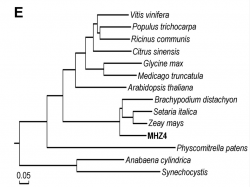
grain phenotype and structure of GW2
(from reference[1]). 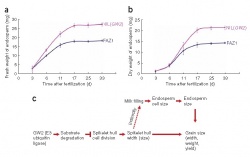
Characterization of grain milk filling in FAZ1 and NIL(GW2) and proposed model for the role of GW2. (a) Time-course of endosperm fresh weight increase. (b) Time-course of endosperm dry weight increase. Data are mean ± s.d. (n ¼ B10 to B15 plants) in a and b. (c) Proposed model for the role of GW2 in regulation of grain width (size) and weight. GW2 recruits the targeted substrate for degradation, thereby inhibiting cell division, and then influences spikelet hull size, subsequently indirectly influencing milk filling rate, endosperm cell size, endosperm size and, ultimately, grain size (width, weight and yield) (from reference[1]). This gene is reported as GW2, a new QTL that controls rice grain width and weight. GW2 encodes a previously unknown RING-type protein with E3 ubiquitin ligase activity, which is known to function in the degradation by the ubiquitin-proteasome pathway. Loss of GW2 function increased cell numbers, resulting in a larger (wider) spikelet hull, and it accelerated the grain milk filling rate, resulting in enhanced grain width, weight and yield. GW2 negatively regulates cell division by targeting its substrate(s) to proteasomes for regulated proteolysis. The functional characterization of GW2 provides insight into the mechanism of seed development and is a potential tool for improving grain yield in crops.
Reduced expression of GW2 increases grain size (mainly grain width), resulting in enhanced grain weight, whereas overexpression
decreases grain size and weight(from reference[1]).
The naturally occurring WY3 allele of GW2, which encodes a truncated version of the protein with a 310–amino
acid deletion, increases the number of cells of the spikelet hull, resulting in a wider spikelet hull, and subsequently
accelerates the grain milk filling rate, resulting in increased grain width, weight and yield.
Many RING-type proteins function as E3 ubiquitin-protein ligases, targeting proteins for ubiquitin-dependent degradation by the 26S proteasome28–31,38,39. Such RING proteins are involved in the regulation of numerous cellular processes, including transcription,
signal transduction, recombination and cell cycle progression. A previous study has shown that the RING-type (C3H2C3) protein
BIG BROTHER, which has E3 ligase activity, acts as a central negative regulator of A. thaliana floral organ size, most likely by marking
cellular proteins for degradation39. In contrast, the GW2, a new RING-type protein, has E3 ubiquitin ligase activity and alters the
number of cells in the spikelet hull, suggesting that GW2 E3 ligase functions as a regulator of cell division through ubiquitin-mediated
proteolysis. However, the mechanism of cell cycle regulation mediated by GW2 remains to be elucidated.
In the majority of RING-type proteins, the N terminus contains the RING domain that binds E2, and the remainder contains other
protein–protein interaction domains that may function as the substrate-binding domain of the E3 ligase24. For example, COP1 has both
a RING-type domain in the N terminus and a WD-40 repeat domain in the C terminus that can bind several protein targets, including HY5,
thereby recruiting an E2 and targeting HY5 and other substrates for ubiquitination and degradation by the proteasome40. In addition, the
WY3 variant of GW2 has an intact RING domain, thereby retaining E3 ubiquitin ligase activity, but is truncated by 310 amino acids that
might contain the substrate-binding domain. The absence of a substrate-binding domain suggests that WY3 GW2 is a null allele.
The coincidence of the GW2 null allele and the increased number of cells in the spikelet hull suggest that WY3 GW2 protein does not
interact with the substrate(s) involved in cell division and does not target them for ubiquitination and subsequent degradation. These
data suggest that GW2 E3 ligase is a new negative regulator of cell division, targeting its substrate(s) to proteasomes for regulated proteolysis. We examined GW2 for the presence of other known domains
but did not find any known domains in GW2. Identification and characterization of both the substrate-binding domain of GW2 and
the GW2 target substrate will be challenging but worth pursuing(from reference[1]).
Expression

Cellular properties and expression pattern of GW2. (from reference[1]). Transient expression in onion
epidermal cells showed that GFP-GW2 localized to the cytoplasm.RT-PCR data in both FAZ1 and
NIL(GW2) showed that GW2 mRNA was expressed constitutively in
shoots and roots of seedlings, inflorescent meristems, young flowers,
leaves and spikelet hulls and endosperms 4 d after fertilization.The GW2 promoter–GFP expression analysis
showed that GFP was strongly expressed in roots
, leaves, and floral organs including stamens, pistils and hulls.
GW2 increases grain size and yield in rice, which is a new RING-type protein with intrinsic E3 ubiquitin ligase activity that localizes to the cytoplasm and is constitutively expressed in various tissues. Reduced expression of GW2 increases grain size (mainly grain width), resulting in enhanced grain weight, whereas overexpression decreases grain size and weight. The naturally occurring WY3 allele of GW2, which encodes a truncated version of the protein with a 310–amino acid deletion, increases the number of cells of the spikelet hull, resulting in a wider spikelet hull, and subsequently accelerates the grain milk filling rate, resulting in increased grain width, weight and yield.
Evolution
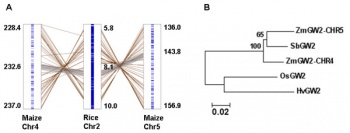
A.Relationship of ZmGW2-CHR4 and ZmGW2-CHR5. B.Phylogenetic tree of GW2 protein sequences in maize, rice, sorghum and barley. (from reference[2]). The rice GW2 gene has two co-orthologs located on duplicated chromosomes in maize. Both genes consist of eight exons, with an overall sequence similarity of 94% to each other and 93% to the rice GW2 gene across the coding region. They were named ZmGW2-CHR4 and ZmGW2-CHR5.
You can also add sub-section(s) at will.
Labs working on this gene
1National Key Laboratory of Plant Molecular Genetics, Shanghai Institute of Plant Physiology and Ecology, Shanghai Institute for Biological Sciences, The Chinese Academy of Sciences, 300 Fenglin Road, Shanghai 200032, China.
References
- ↑ 1.0 1.1 1.2 1.3 1.4 Song, X. J., Huang, W., Shi, M., Zhu, M. Z., & Lin, H. X. (2007). A QTL for rice grain width and weight encodes a previously unknown RING-type E3 ubiquitin ligase. Nature genetics, 39(5), 623-630.
- ↑ Li, Q., Li, L., Yang, X., Warburton, M.L., Bai, G., Dai, J., Li, J., and Yan, J. (2010). Relationship, evolutionary fate and function of two maize co-orthologs of rice GW2 associated with kernel size and weight. BMC Plant Biol 10, 143.
Structured Information


