|
|
| (8 intermediate revisions by 3 users not shown) |
| Line 1: |
Line 1: |
| − | {{JaponicaGene|
| + | Bispyribac sodium (BS), a pyrimidinyl carboxy herbicide, is a well-known inhibitor of acetolactate synthase (ALS) activity. ALS is an enzyme in the biosynthetic pathway for branched-chain amino acids. |
| − | GeneName = Os02g0510200|
| + | <br> |
| − | Description = Similar to Acetohydroxyacid synthase|
| + | ==Annotated Information== |
| − | Version = NM_001053466.1 GI:115446302 GeneID:4329450|
| + | ===Function=== |
| − | Length = 2276 bp|
| + | Bispyribac sodium (BS), a pyrimidinyl carboxy herbicide, is a well-known inhibitor of acetolactate synthase (ALS) activity. ALS is an enzyme in the biosynthetic pathway for branched-chain amino acids. BS can be used with OsmALS [W548L/S627I] to select transformed cells, and that this method is suitable for obtaining transgenic indica and indica-derived rice cultivars. |
| − | Definition = Oryza sativa Japonica Group Os02g0510200, complete gene.|
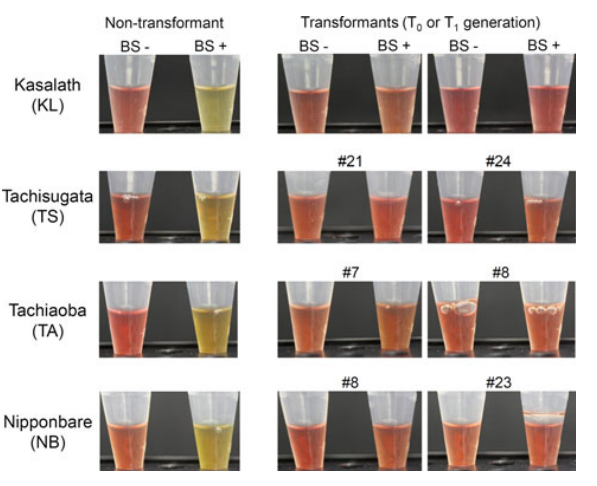
| + | [[File:5-f4.png |center |thumb |10000px |''''''Fig. 4 Colorimetric enzyme assay for ALS from non-transgenic and transgenic plants (T0 and T1 generation) of KL, TS, TA and NB. #21 and 24 of TS, #7 and 8 of TA, and #8 and 23 of NB are all T1 generations. BS- or BS? at the top of each reaction tube indicates pretreatment with or without 0.25 lM of BS, respectively. One nontransgenic plant and two transgenic plants were used for each cultivar.The distinct color reveals whether acetoin does (red) or does not(yellow) accumulate, indicating ALS activity is working or inhibited,respectively'''''']] |
| − | Source = Oryza sativa Japonica Group
| |
| | | | |
| − | ORGANISM Oryza sativa Japonica Group
| + | ===Expression=== |
| − | Eukaryota; Viridiplantae; Streptophyta; Embryophyta; Tracheophyta;
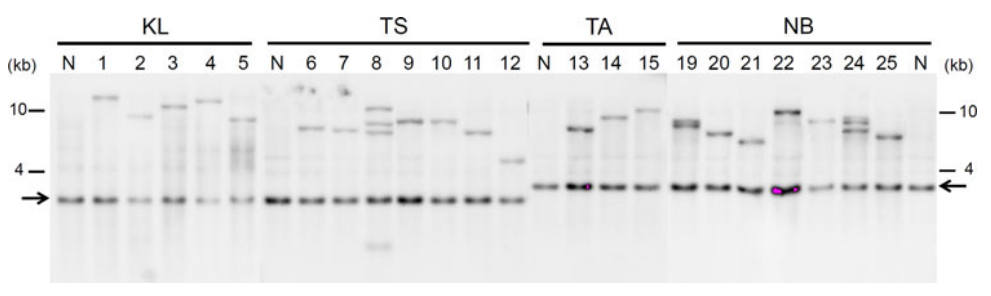
| + | In order to determine whether the stable integration of the transgenes occurred in the rice genome, Southern blot analysis was performed using a probe containing a 502-bp fragment consisting of the coding region of the OsmALS gene (Fig. 1). Since OsmALS and wild-type OsALS sequences are distinguished only by two substitutions, the original band of wild-type OsALS is seen at around 3 kb in all plants including non-transformants (Fig. 7). |
| − | Spermatophyta; Magnoliophyta; Liliopsida; Poales; Poaceae; BEP
| + | [[File:5-f7.png |center |thumb |10000px |''''''Fig. 7 Southern blot analysis of BS-resistant plants (T0 generation).The blot was probed with a 502-bp fragment consisting of the coding region of the OsmALS gene (Fig. 1). Arrows indicate the wild-type ALS gene. Lanes 1–25, transgenic plants regenerated from BS-resistant calli of each cultivar; Lanes N, non-transformants of each cultivar'''''']] |
| − | clade; Ehrhartoideae; Oryzeae; Oryza.
| + | |
| − | |
| + | ===Evolution=== |
| − | Chromosome = [[:category:Japonica Chromosome 2|Chromosome 2]]|
| + | Please input evolution information here. |
| − | AP = Chromosome 2:19014934..19017209|
| + | |
| − | CDS = 19014981..19016915|
| + | You can also add sub-section(s) at will. |
| − | GCID = <gbrowseImage1>
| + | |
| − | name=NC_008395:19014934..19017209
| + | ==Labs working on this gene== |
| − | source=RiceChromosome02
| + | *Life Science Research Institute, Kumiai Chemical Industry Co. Ltd, 3360 Kamo, Kikugawa, Shizuoka 439-0031, Japan |
| − | preset=GeneLocation
| + | |
| − | </gbrowseImage1>|
| + | ==References== |
| − | GSID = <gbrowseImage2>
| + | Please input cited references here. |
| − | name=NC_008395:19014934..19017209
| + | |
| − | source=RiceChromosome02
| + | ==Structured Information== |
| − | preset=GeneLocation
| + | [[Category:Genes]][[Category:Oryza Sativa Japonica Group]][[Category:Japonica Chromosome 2]] |
| − | </gbrowseImage2>|
| |
| − | CDNA = <cdnaseq>atggctacgaccgccgcggccgcggccgccgccctgtccgccgccgcgacggccaagaccggccgtaagaaccaccagcgacaccacgtccttcccgctcgaggccgggtgggggcggcggcggtcaggtgctcggcggtgtccccggtcaccccgccgtccccggcgccgccggccacgccgctccggccgtgggggccggccgagccccgcaagggcgcggacatcctcgtggaggcgctggagcggtgcggcgtcagcgacgtgttcgcctacccgggcggcgcgtccatggagatccaccaggcgctgacgcgctccccggtcatcaccaaccacctcttccgccacgagcagggcgaggcgttcgcggcgtccgggtacgcgcgcgcgtccggccgcgtcggggtctgcgtcgccacctccggccccggggcaaccaacctcgtgtccgcgctcgccgacgcgctgctcgactccgtcccgatggtcgccatcacgggccaggtcccccgccgcatgatcggcaccgacgccttccaggagacgcccatagtcgaggtcacccgctccatcaccaagcacaattaccttgtccttgatgtggaggacatcccccgcgtcatacaggaagccttcttcctcgcgtcctcgggccgtcctggcccggtgctggtcgacatccccaaggacatccagcagcagatggccgtgccggtctgggacacctcgatgaatctaccagggtacatcgcacgcctgcccaagccacccgcgacagaattgcttgagcaggtcttgcgtctggttggcgagtcacggcgcccgattctctatgtcggtggtggctgctctgcatctggtgacgaattgcgctggtttgttgagctgactggtatcccagttacaaccactctgatgggcctcggcaatttccccagtgacgacccgttgtccctgcgcatgcttgggatgcatggcacggtgtacgcaaattatgccgtggataaggctgacctgttgcttgcgtttggtgtgcggtttgatgatcgtgtgacagggaaaattgaggcttttgcaagcagggccaagattgtgcacattgacattgatccagcagagattggaaagaacaagcaaccacatgtgtcaatttgcgcagatgttaagcttgctttacagggcttgaatgctctgctacaacagagcacaacaaagacaagttctgattttagtgcatggcacaatgagttggaccagcagaagagggagtttcctctggggtacaaaacttttggtgaagagatcccaccgcaatatgccattcaggtgctggatgagctgacgaaaggtgaggcaatcatcgctactggtgttgggcagcaccagatgtgggcggcacaatattacacctacaagcggccacggcagtggctgtcttcggctggtctgggcgcaatgggatttgggctgcctgctgcagctggtgcttctgtggctaacccaggtgtcacagttgttgatattgatggggatggtagcttcctcatgaacattcaggagctggcattgatccgcattgagaacctccctgtgaaggtgatggtgttgaacaaccaacatttgggtatggtggtgcaatgggaggataggttttacaaggcgaatagggcgcatacatacttgggcaacccggaatgtgagagcgagatatatccagattttgtgactattgctaaggggttcaatattcctgcagtccgtgtaacaaagaagagtgaagtccgtgccgccatcaagaagatgctcgagactccagggccatacttgttggatatcatcgtcccgcaccaggagcatgtgctgcctatgatcccaagtgggggcgcattcaaggacatgatcctggatggtgatggcaggactgtgtattaa</cdnaseq>|
| |
| − | AA = <aaseq>MATTAAAAAAALSAAATAKTGRKNHQRHHVLPARGRVGAAAVRC SAVSPVTPPSPAPPATPLRPWGPAEPRKGADILVEALERCGVSDVFAYPGGASMEIHQ ALTRSPVITNHLFRHEQGEAFAASGYARASGRVGVCVATSGPGATNLVSALADALLDS VPMVAITGQVPRRMIGTDAFQETPIVEVTRSITKHNYLVLDVEDIPRVIQEAFFLASS GRPGPVLVDIPKDIQQQMAVPVWDTSMNLPGYIARLPKPPATELLEQVLRLVGESRRP ILYVGGGCSASGDELRWFVELTGIPVTTTLMGLGNFPSDDPLSLRMLGMHGTVYANYA VDKADLLLAFGVRFDDRVTGKIEAFASRAKIVHIDIDPAEIGKNKQPHVSICADVKLA LQGLNALLQQSTTKTSSDFSAWHNELDQQKREFPLGYKTFGEEIPPQYAIQVLDELTK GEAIIATGVGQHQMWAAQYYTYKRPRQWLSSAGLGAMGFGLPAAAGASVANPGVTVVD IDGDGSFLMNIQELALIRIENLPVKVMVLNNQHLGMVVQWEDRFYKANRAHTYLGNPE CESEIYPDFVTIAKGFNIPAVRVTKKSEVRAAIKKMLETPGPYLLDIIVPHQEHVLPM IPSGGAFKDMILDGDGRTVY</aaseq>|
| |
| − | DNA = <dnaseqindica>48..1982#cccaaacccagaaaccctcgccgccgccgccgccgccaccacccaccatggctacgaccgccgcggccgcggccgccgccctgtccgccgccgcgacggccaagaccggccgtaagaaccaccagcgacaccacgtccttcccgctcgaggccgggtgggggcggcggcggtcaggtgctcggcggtgtccccggtcaccccgccgtccccggcgccgccggccacgccgctccggccgtgggggccggccgagccccgcaagggcgcggacatcctcgtggaggcgctggagcggtgcggcgtcagcgacgtgttcgcctacccgggcggcgcgtccatggagatccaccaggcgctgacgcgctccccggtcatcaccaaccacctcttccgccacgagcagggcgaggcgttcgcggcgtccgggtacgcgcgcgcgtccggccgcgtcggggtctgcgtcgccacctccggccccggggcaaccaacctcgtgtccgcgctcgccgacgcgctgctcgactccgtcccgatggtcgccatcacgggccaggtcccccgccgcatgatcggcaccgacgccttccaggagacgcccatagtcgaggtcacccgctccatcaccaagcacaattaccttgtccttgatgtggaggacatcccccgcgtcatacaggaagccttcttcctcgcgtcctcgggccgtcctggcccggtgctggtcgacatccccaaggacatccagcagcagatggccgtgccggtctgggacacctcgatgaatctaccagggtacatcgcacgcctgcccaagccacccgcgacagaattgcttgagcaggtcttgcgtctggttggcgagtcacggcgcccgattctctatgtcggtggtggctgctctgcatctggtgacgaattgcgctggtttgttgagctgactggtatcccagttacaaccactctgatgggcctcggcaatttccccagtgacgacccgttgtccctgcgcatgcttgggatgcatggcacggtgtacgcaaattatgccgtggataaggctgacctgttgcttgcgtttggtgtgcggtttgatgatcgtgtgacagggaaaattgaggcttttgcaagcagggccaagattgtgcacattgacattgatccagcagagattggaaagaacaagcaaccacatgtgtcaatttgcgcagatgttaagcttgctttacagggcttgaatgctctgctacaacagagcacaacaaagacaagttctgattttagtgcatggcacaatgagttggaccagcagaagagggagtttcctctggggtacaaaacttttggtgaagagatcccaccgcaatatgccattcaggtgctggatgagctgacgaaaggtgaggcaatcatcgctactggtgttgggcagcaccagatgtgggcggcacaatattacacctacaagcggccacggcagtggctgtcttcggctggtctgggcgcaatgggatttgggctgcctgctgcagctggtgcttctgtggctaacccaggtgtcacagttgttgatattgatggggatggtagcttcctcatgaacattcaggagctggcattgatccgcattgagaacctccctgtgaaggtgatggtgttgaacaaccaacatttgggtatggtggtgcaatgggaggataggttttacaaggcgaatagggcgcatacatacttgggcaacccggaatgtgagagcgagatatatccagattttgtgactattgctaaggggttcaatattcctgcagtccgtgtaacaaagaagagtgaagtccgtgccgccatcaagaagatgctcgagactccagggccatacttgttggatatcatcgtcccgcaccaggagcatgtgctgcctatgatcccaagtgggggcgcattcaaggacatgatcctggatggtgatggcaggactgtgtattaatctataatctgtatgttggcaaagcaccagcccggcctatgtttgacctgaatgacccataaagagtggtatgcctatgatgtttgtatgtgctctatcaataactaaggtgtcaactatgaaccatatgctcttctgttttacttgtttgatgtgcttggcatggtaatcctaattagcttcctgctgtctaggtttgtagtgtgttgttttctgtaggcatatgcatcacaagatatcatgtaagtttcttgtcctacatatcaataataagagaataaagtacttctatgc</dnaseqindica>|
| |
| − | Link = [http://www.ncbi.nlm.nih.gov/nuccore/NM_001053466.1 RefSeq:Os02g0510200]|
| |
| − | }}
| |
| − | [[Category:Genes]] | |
| − | [[Category:Japonica mRNA]]
| |
| − | [[Category:Oryza Sativa Japonica Group]] | |
| − | [[Category:Japonica Genes]]
| |
| − | [[Category:Japonica Chromosome 2]] | |
| − | [[Category:Chromosome 2]]
| |
Bispyribac sodium (BS), a pyrimidinyl carboxy herbicide, is a well-known inhibitor of acetolactate synthase (ALS) activity. ALS is an enzyme in the biosynthetic pathway for branched-chain amino acids.
Annotated Information
Function
Bispyribac sodium (BS), a pyrimidinyl carboxy herbicide, is a well-known inhibitor of acetolactate synthase (ALS) activity. ALS is an enzyme in the biosynthetic pathway for branched-chain amino acids. BS can be used with OsmALS [W548L/S627I] to select transformed cells, and that this method is suitable for obtaining transgenic indica and indica-derived rice cultivars.
'
Fig. 4 Colorimetric enzyme assay for ALS from non-transgenic and transgenic plants (T0 and T1 generation) of KL, TS, TA and NB. #21 and 24 of TS, #7 and 8 of TA, and #8 and 23 of NB are all T1 generations. BS- or BS? at the top of each reaction tube indicates pretreatment with or without 0.25 lM of BS, respectively. One nontransgenic plant and two transgenic plants were used for each cultivar.The distinct color reveals whether acetoin does (red) or does not(yellow) accumulate, indicating ALS activity is working or inhibited,respectively'Expression
In order to determine whether the stable integration of the transgenes occurred in the rice genome, Southern blot analysis was performed using a probe containing a 502-bp fragment consisting of the coding region of the OsmALS gene (Fig. 1). Since OsmALS and wild-type OsALS sequences are distinguished only by two substitutions, the original band of wild-type OsALS is seen at around 3 kb in all plants including non-transformants (Fig. 7).
'
Fig. 7 Southern blot analysis of BS-resistant plants (T0 generation).The blot was probed with a 502-bp fragment consisting of the coding region of the OsmALS gene (Fig. 1). Arrows indicate the wild-type ALS gene. Lanes 1–25, transgenic plants regenerated from BS-resistant calli of each cultivar; Lanes N, non-transformants of each cultivar'Evolution
Please input evolution information here.
You can also add sub-section(s) at will.
Labs working on this gene
- Life Science Research Institute, Kumiai Chemical Industry Co. Ltd, 3360 Kamo, Kikugawa, Shizuoka 439-0031, Japan
References
Please input cited references here.
Structured Information


