 Home
Studies
Genes
Publications
Phylogenetic Tree
Statistics
API
Documentation
Contact Us
Home
Studies
Genes
Publications
Phylogenetic Tree
Statistics
API
Documentation
Contact Us

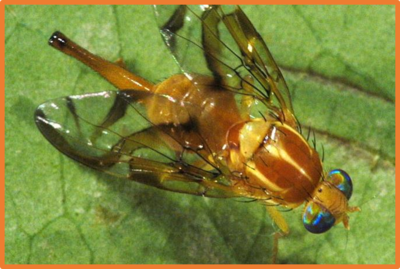
| ICG00117-1 |
| Gene Symbol | Gene Model | Application Scenario | Accession Number | Primers(5' - 3') (Forward/Reverse) |
Size (bp) | Annealing Temperature | Detection |
|---|---|---|---|---|---|---|---|
| rpL18 | Ribosomal Protein L18 |
2Nd Larval Instar
3Rd Larval Instar
Early Pupal Stage
Later Pupal Stage
Sexually Mature Virgin(Mvf)
Post-Mating
Male
Female
|
NM_139834 |
F: GTGCCTAAGATGACCATTTGC
R: GACCTCCAGCCTTAATGATACG
|
- | 58 | EvaGreen |
| rps17 | Ribosomal Protein S17 |
2Nd Larval Instar
3Rd Larval Instar
Early Pupal Stage
Later Pupal Stage
Sexually Mature Virgin(Mvf)
Post-Mating
Male
Female
|
NM_079278.2 |
F: GCCGCAAAGGTCATAATTGAG
R: GCTACTTCTTCACAAATACGCT
|
- | 58 | EvaGreen |
| ef1a | Elongation Factor |
2Nd Larval Instar
3Rd Larval Instar
Early Pupal Stage
Later Pupal Stage
Sexually Mature Virgin(Mvf)
Post-Mating
Male
Female
|
GU339154.1 |
F: TTGCCTTCGTACCAATCTCTG
R: AACCTTCCATCCCTTGAACC
|
- | 59 | EvaGreen |
mRNA