1. Database Overview
-
-
1.1 Database Introduction
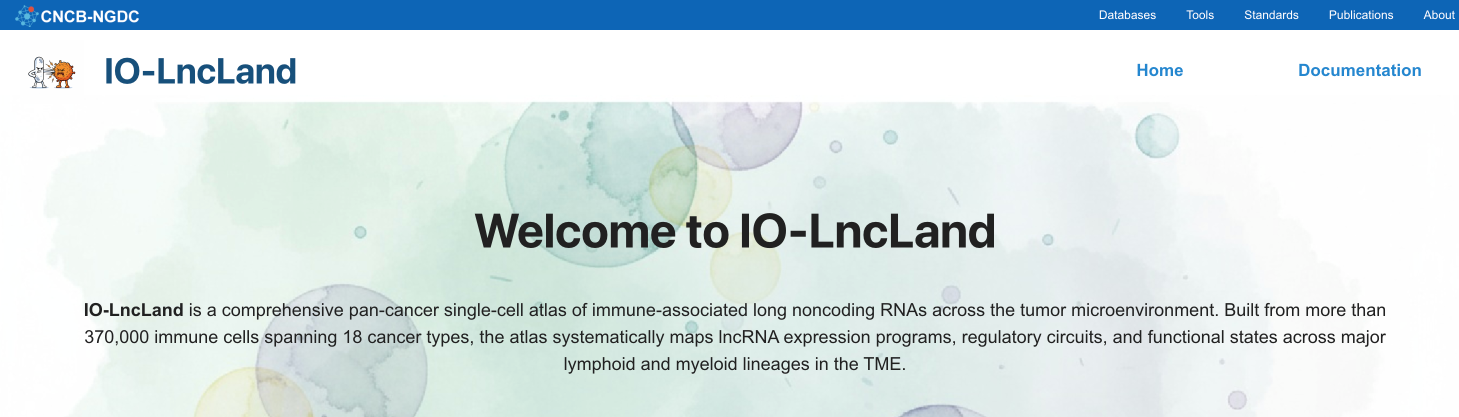
IO-LncLand is a comprehensivepan-cancer single-cell atlas of immune-associated long noncoding RNAs in the tumor microenvironment. Built from more than 370,000 immune cells across 18 cancer types, it systematically characterizes lncRNA expression, regulatory networks, and functional states across T-cell and myeloid populations. By integrating single-cell transcriptomics with CRISPR functional screens and clinical outcomes, IO-LncLand highlights candidate lncRNAs involved in both tumor fitness and immune regulation, offering a powerful resource for biomarker discovery and precision immunotherapy.
-
1.2 Main Function Overview
IO-LncLand offers the following core functions:
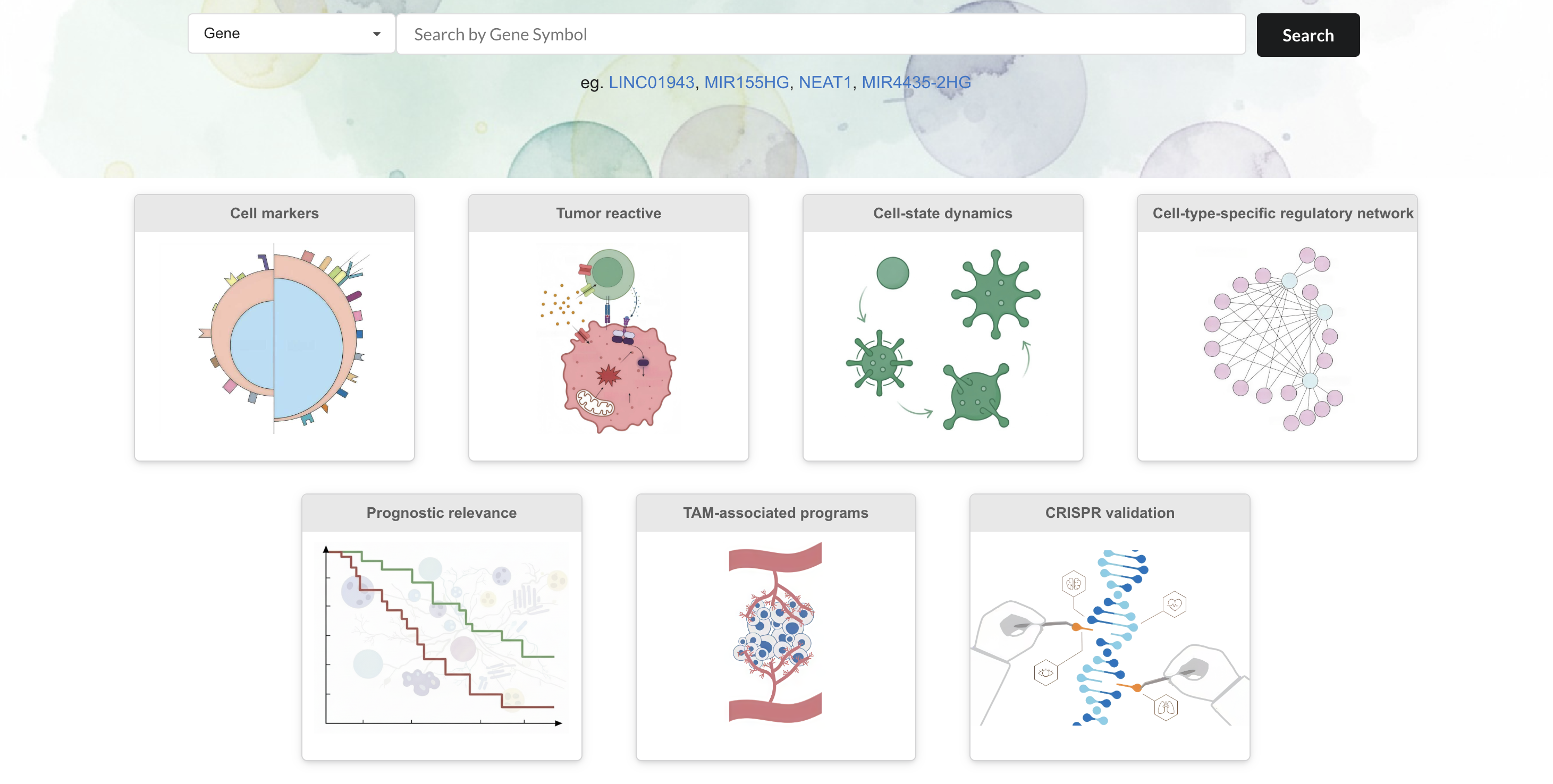
Gene Search: Search for lncRNA expression and function across different immune cell types by gene name
Cell Type Search: Explore lncRNA functional modules associated with specific cell types
Multi-dimensional Analysis: Explore lncRNA functions from multiple perspectives, including cell markers, tumor reactivity, cell-state dynamics, cell-type-specific regulatory networks, TAM-associated programs, prognostic relevance, and CRISPR-based functional validation
Data Visualization: Provide intuitive charts to display lncRNA expression patterns and regulatory relationships
-
2. Detailed Explanation of LncRNA Functional Modules
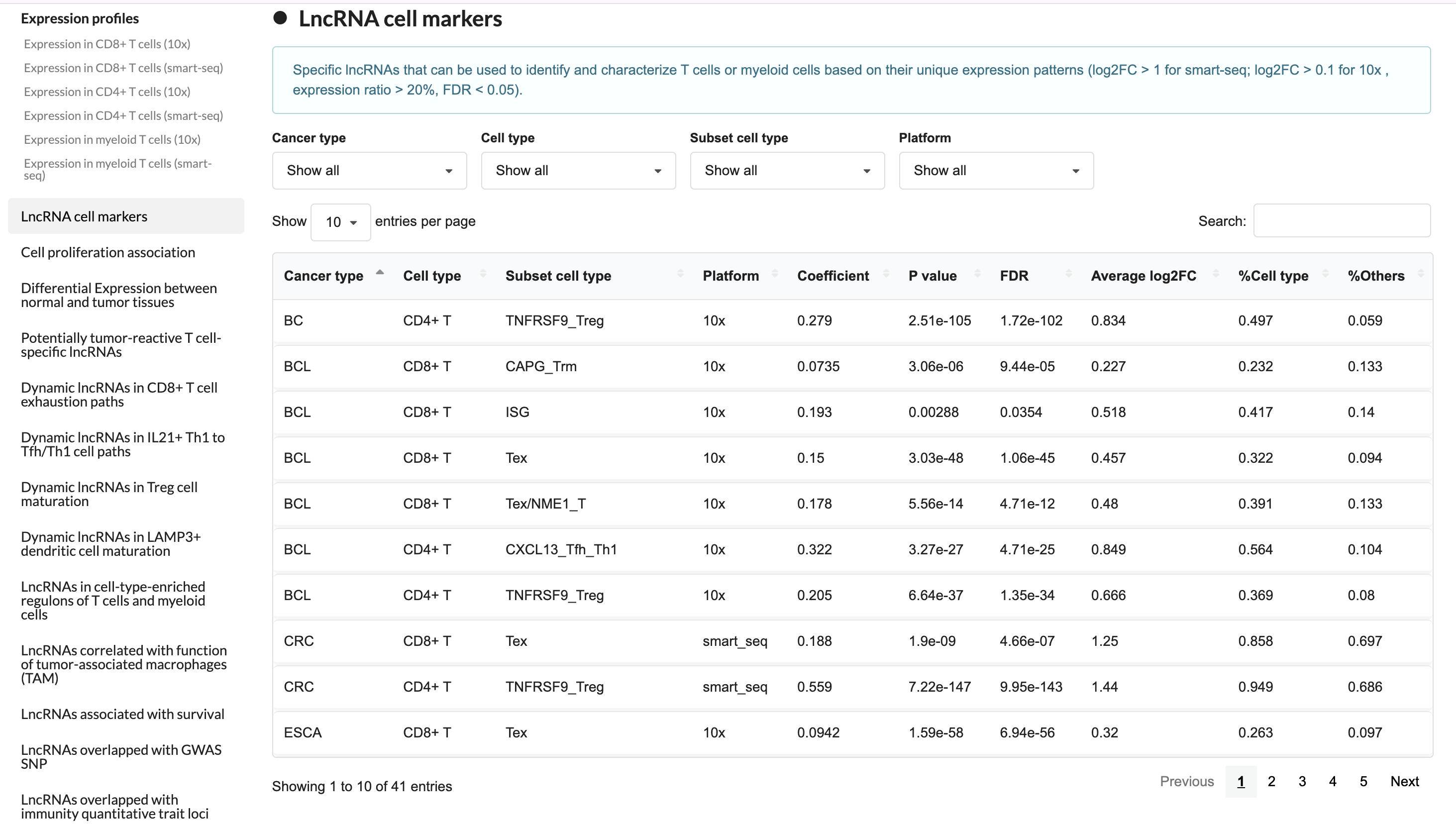
2.1 LncRNA cell markers
This module showcases lncRNA markers with cell type-specific expression patterns, which can be used to identify and characterize T cells or myeloid cells.
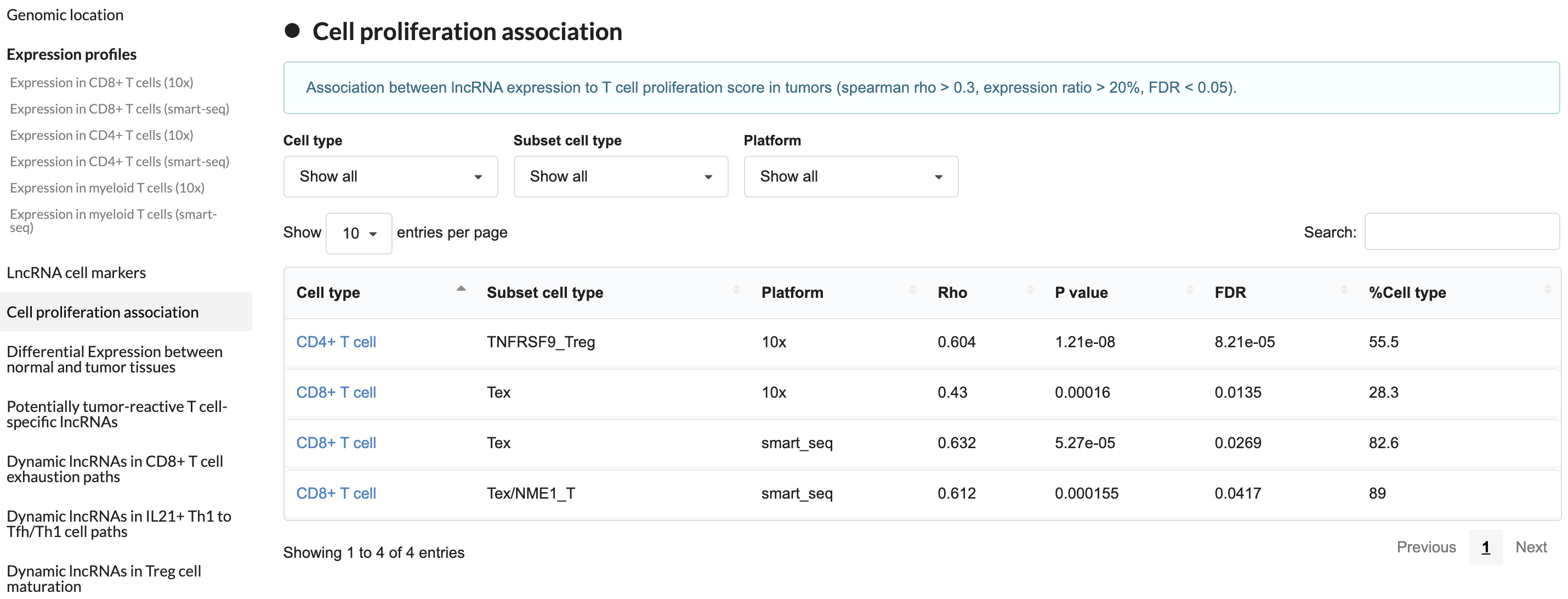
2.2 Cell proliferation association
This module examines the relationship between lncRNA expression and cellular proliferation within the tumor microenvironment. It identifies lncRNAs whose expression levels are significantly associated with proliferation activity across diverse immune cell populations.
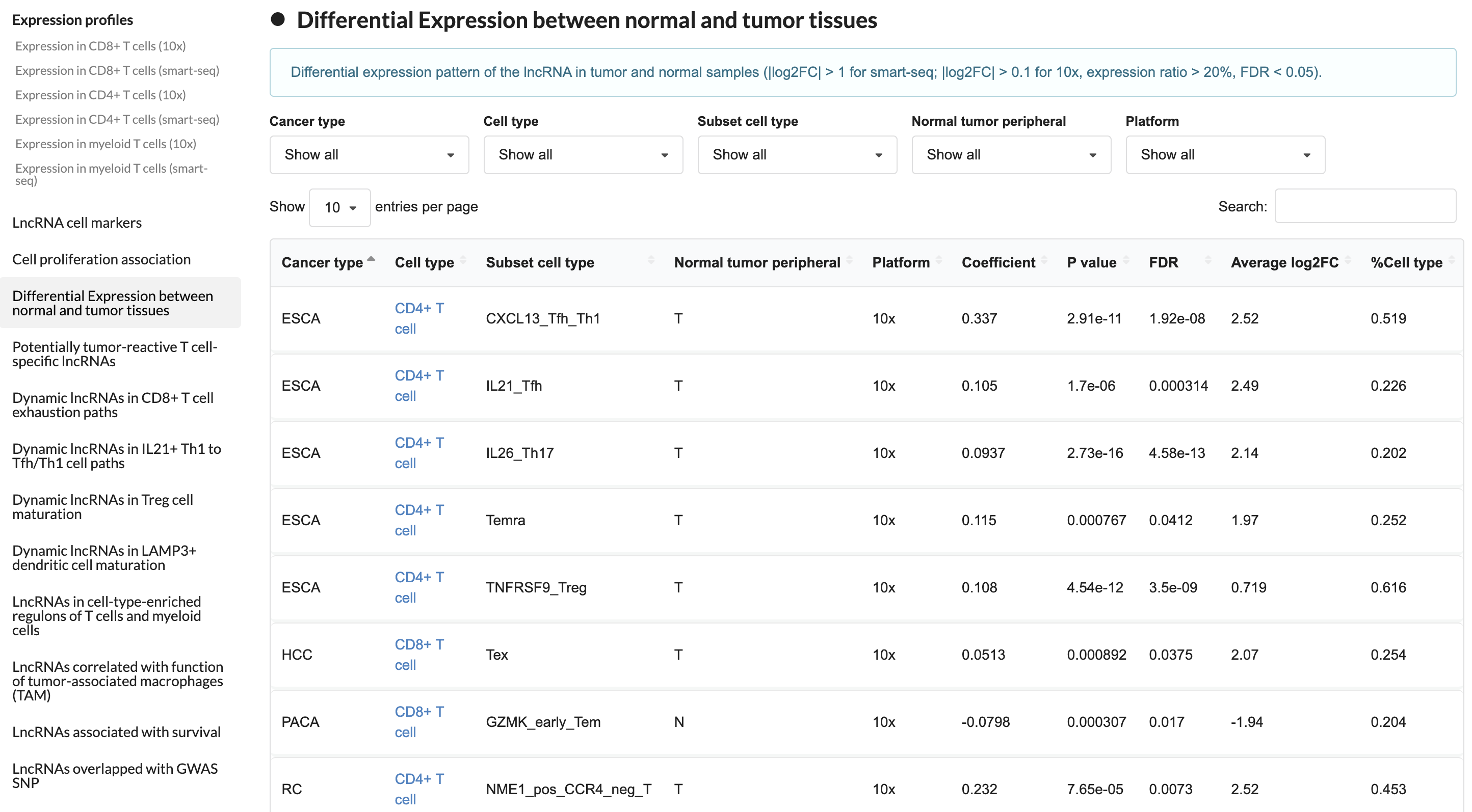
2.3 Differential Expression between normal and tumor tissues
This module identifies lncRNAs that are significantly differentially expressed between normal and tumor tissues in specific immune cell types. It provides a resource for exploring tumor-associated noncoding transcriptional changes in immune cell types of TME.
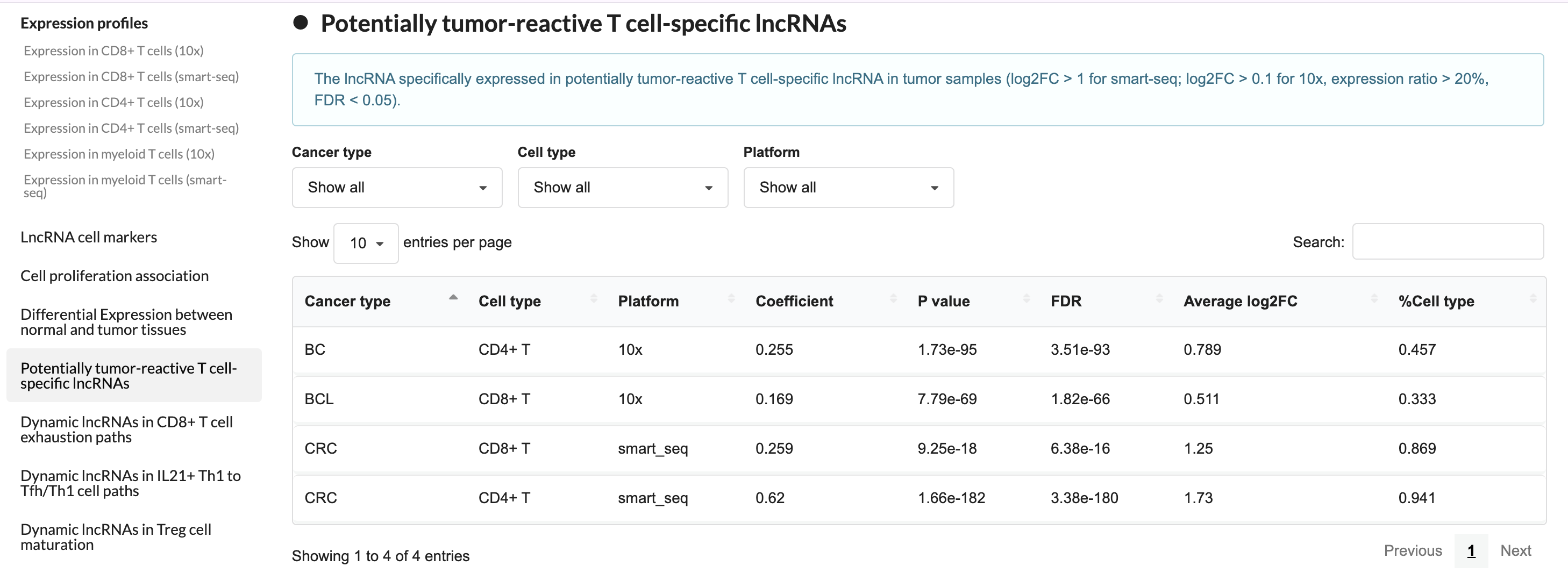
2.4 Potentially tumor-reactive T cell-specific lncRNAs
This module presents lncRNAs specifically expressed in tumor-reactive T cells, which may serve as tumor-reactivity markers.
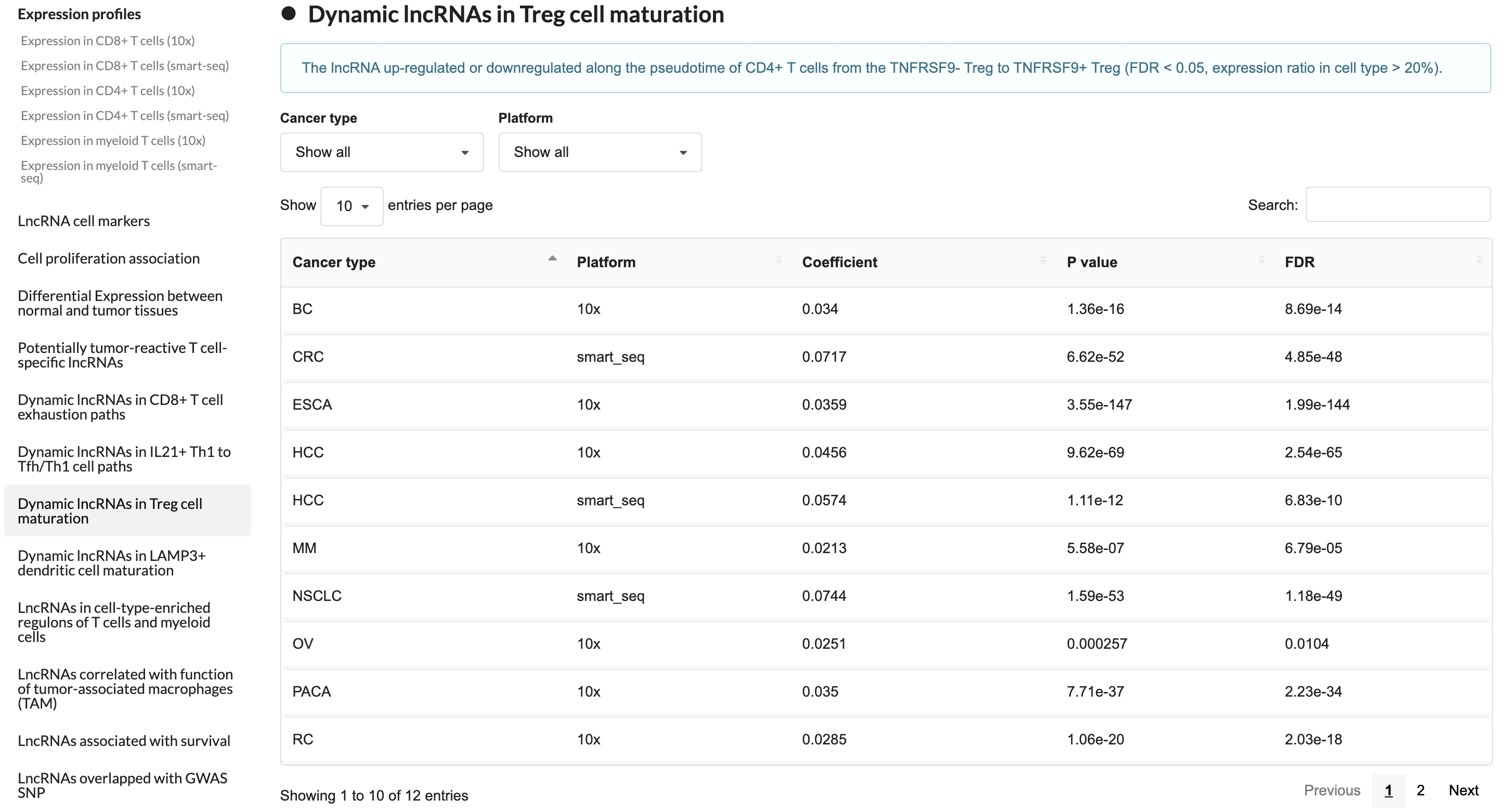
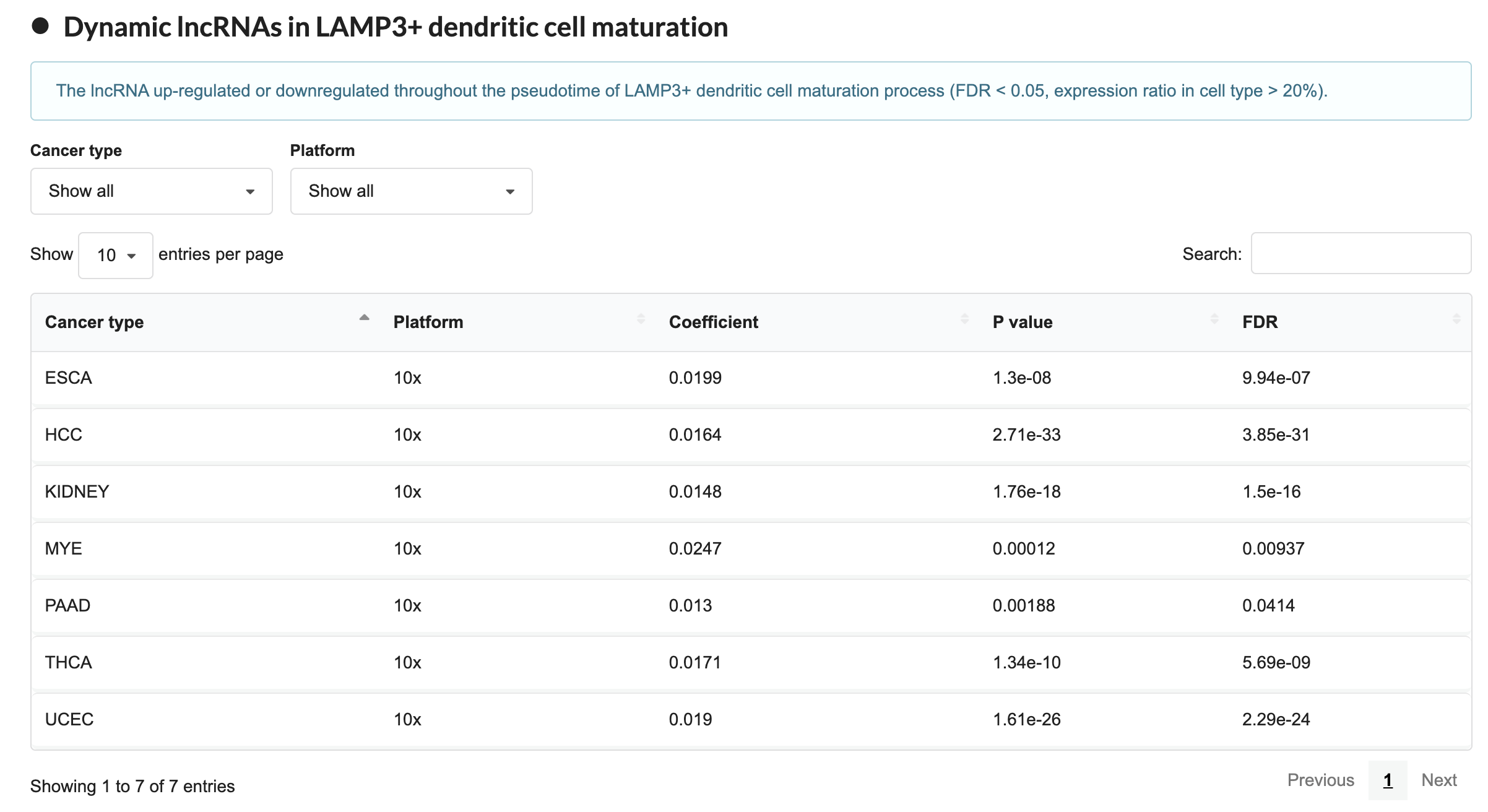
2.5 Cell-state associated lncRNAs
This module displays lncRNAs associated with immune cell state transitions, including T cell exhaustion, Tfh/Th1 state transitions, Treg and LAMP3+ cDCs differentiation.


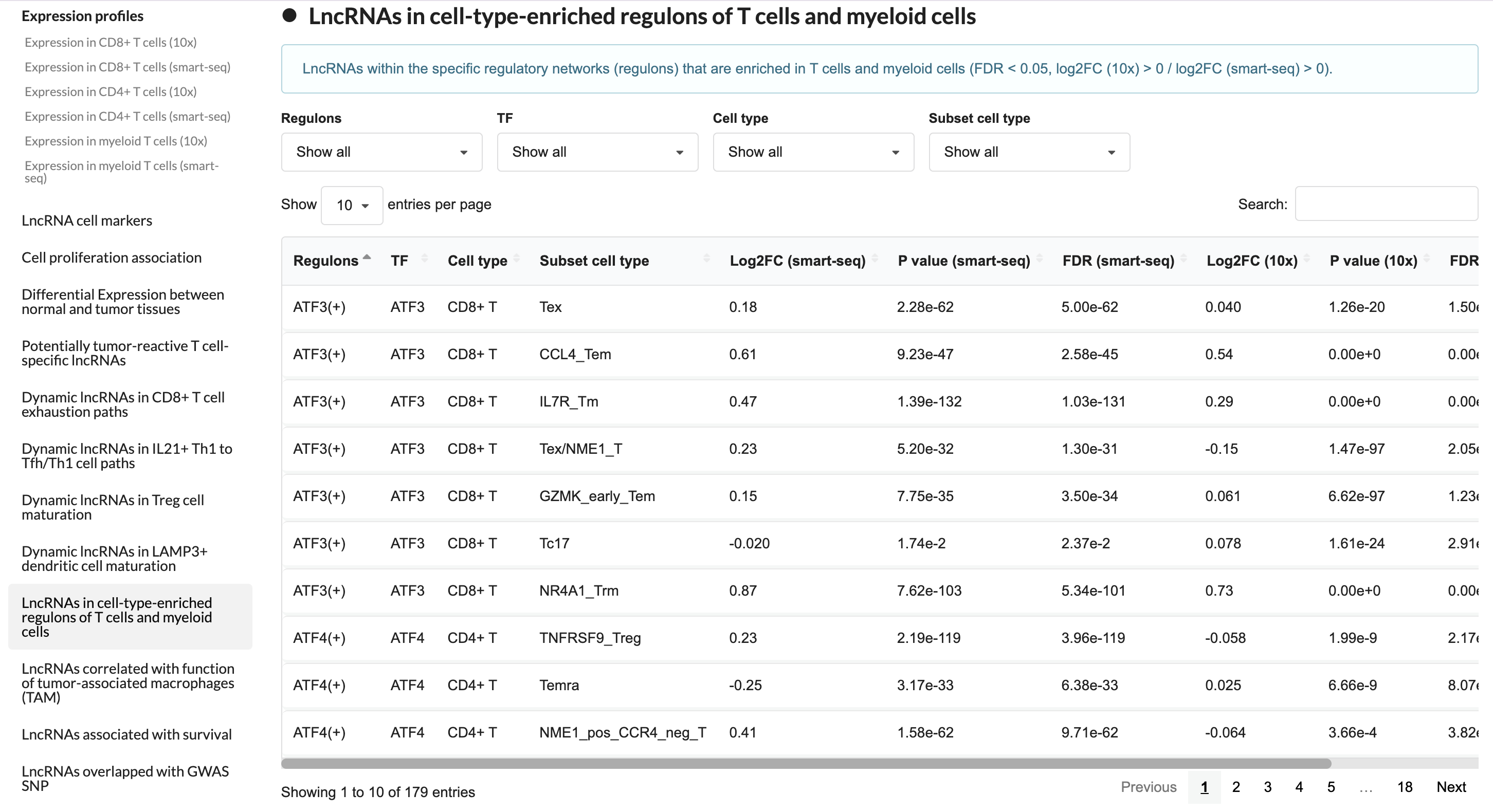
2.6 LncRNAs in cell-type-enriched regulons of T cells and myeloid cells
This module showcases lncRNAs involved in T-cell- and myeloid-cell-enriched regulatory networks. It provides insights into cell-type-specific regulons and helps identify lncRNAs that may participate in the transcriptional control of immune cell identity and function within the tumor microenvironment.
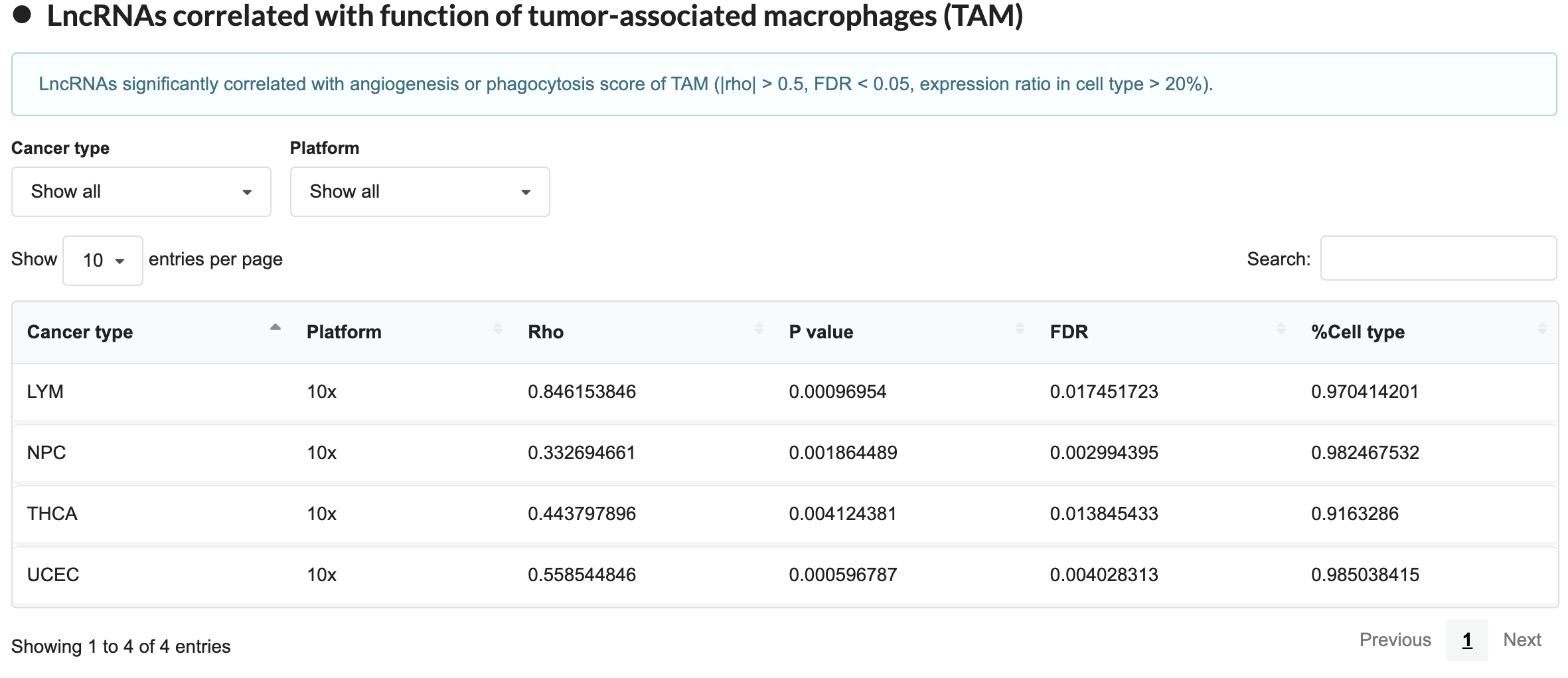
2.7 LncRNAs correlated with function of tumor-associated macrophages (TAM)
This module highlights lncRNAs associated with the angiogenic functions of tumor-associated macrophages (TAMs), enabling exploration of noncoding regulators potentially involved in tumor vascular remodeling within the microenvironment.
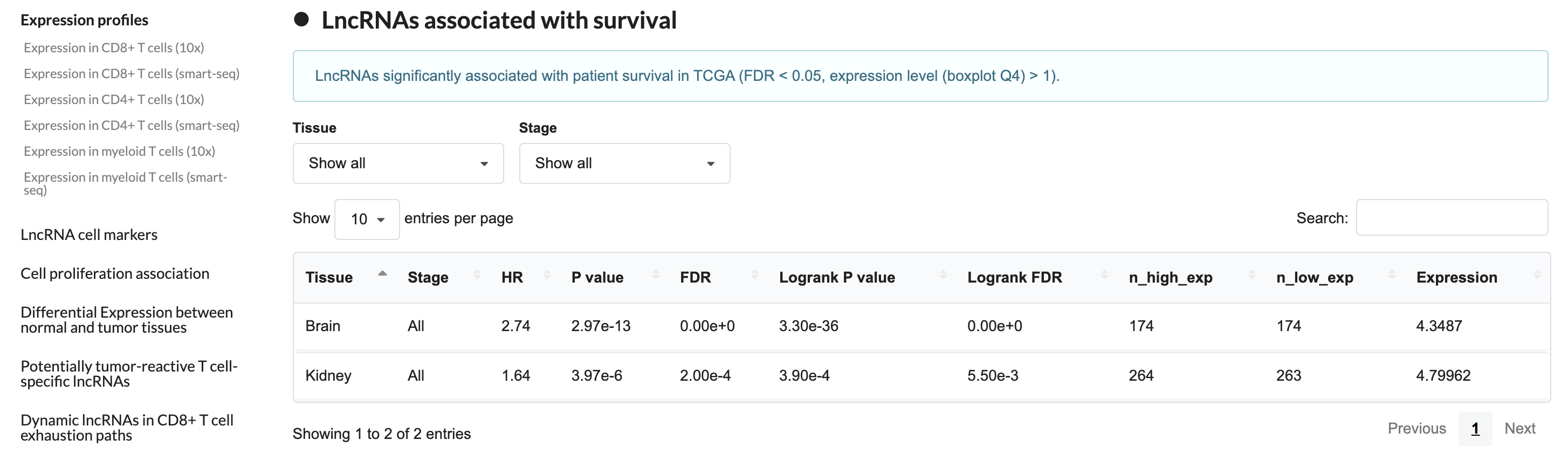
2.8 LncRNAs associated with survival
This module displays cell type-specific lncRNAs associated with clinical prognosis.
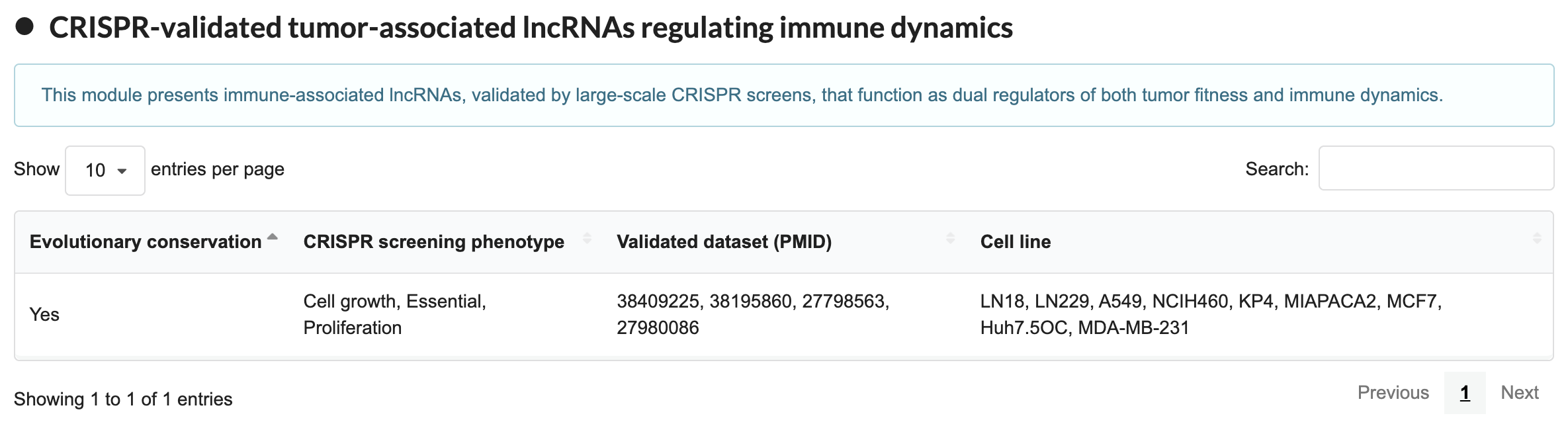
2.9 CRISPR-validated tumor-associated lncRNAs regulating immune dynamics
This module showcases immune-associated lncRNAs validated by CRISPR functional screens that are also linked to tumor cell survival or proliferation, highlighting candidate dual regulators of both tumor fitness and immune dynamics.
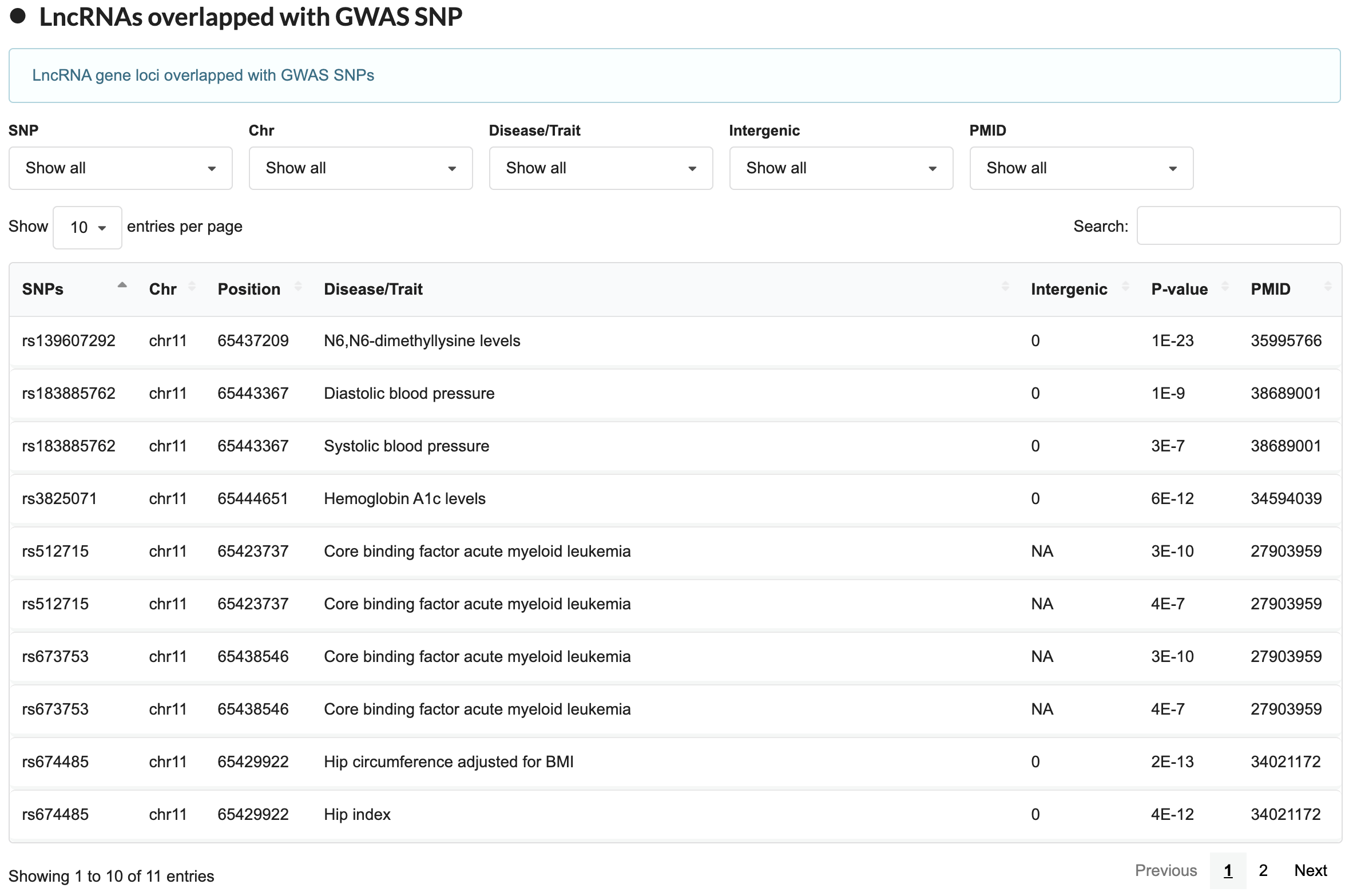
2.10 LncRNAs overlapped with GWAS SNP
This module showcases immune-associated lncRNAs validated by CRISPR functional screens that are also linked to tumor cell survival or proliferation, highlighting candidate dual regulators of both tumor fitness and immune dynamics.
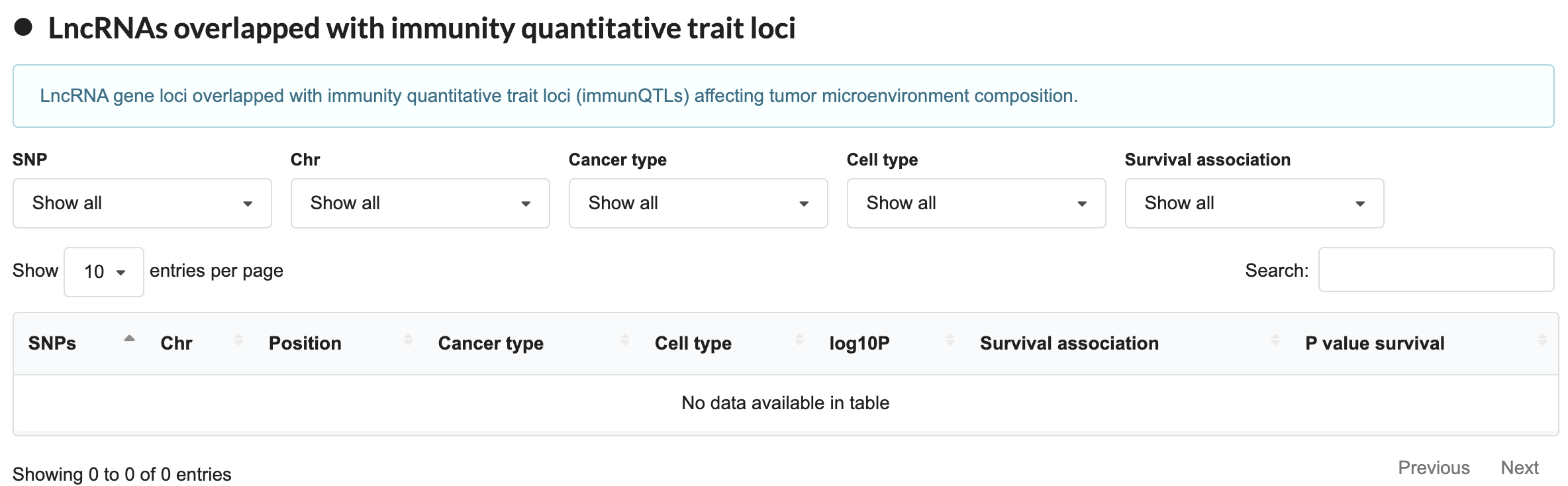
2.11 LncRNAs overlapped with immunity quantitative trait loci
This module displays lncRNAs located within 3,494 immunity quantitative trait loci (immunQTLs) across 23 cancer types (Nature Immunology, 2024). This module helps identify lncRNAs that may contribute to the genetic effects on TME composition.
3. Detailed Explanation of Cell Type Page
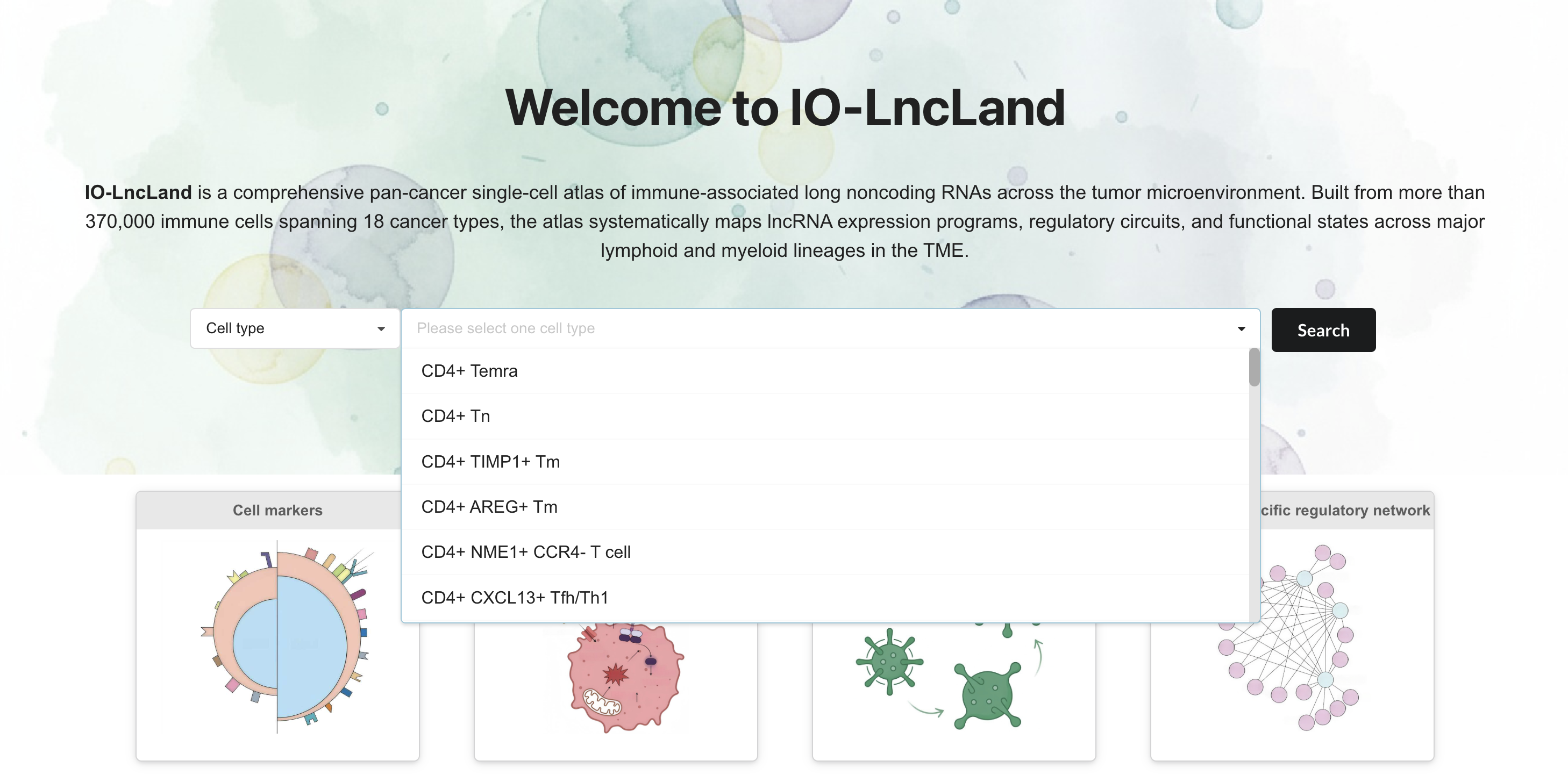
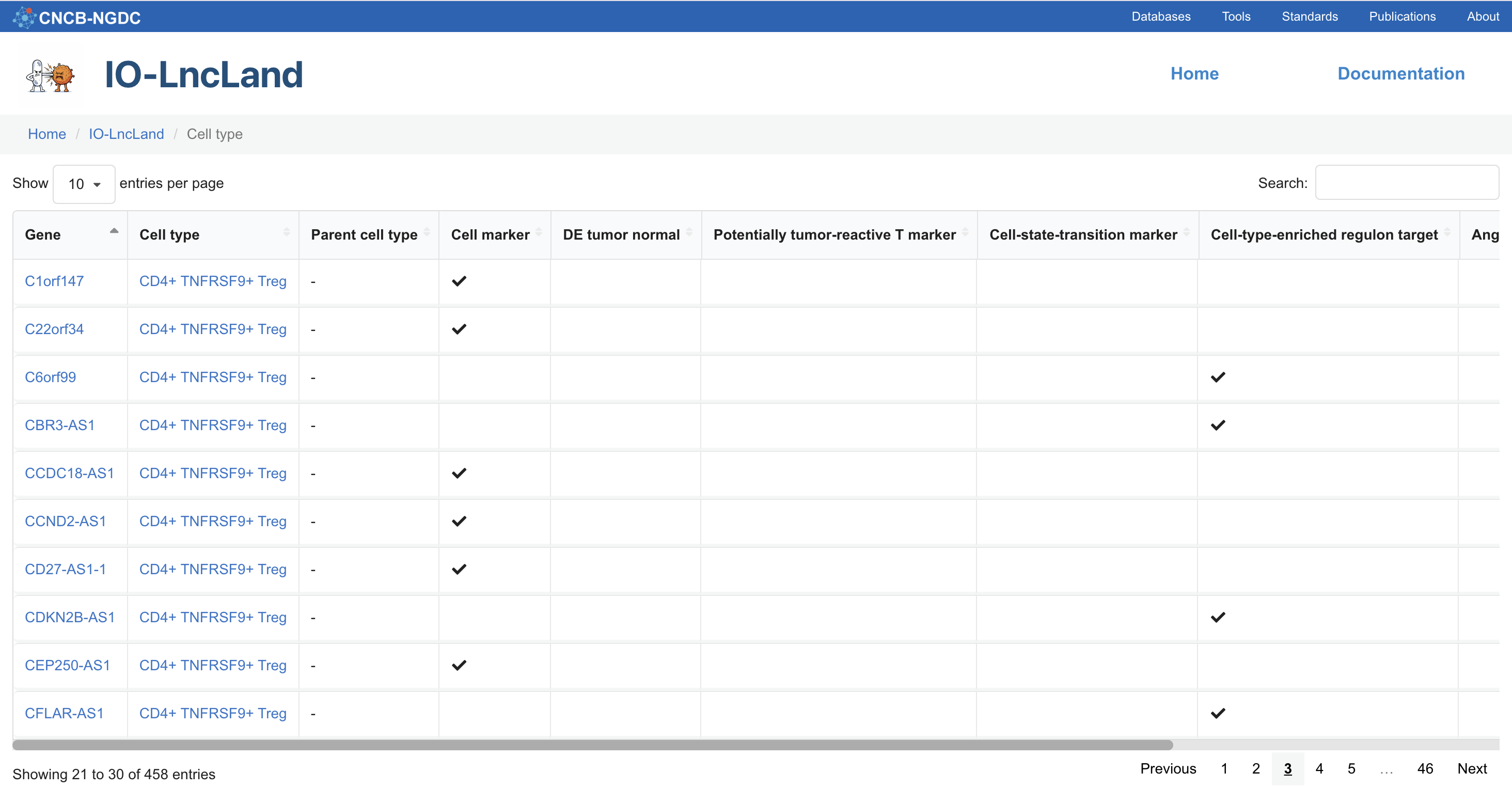
Users can select the "Cell Type" option on the homepage to efficiently explore the immune regulatory roles of lncRNAs in specific cellular contexts. It covers a wide range of biological aspects including cell marker identification, differential expression between tumor and normal tissues, potential as tumor-reactive T cell markers, involvement in cell-state transitions, participation in cell-type-enriched regulon targets, association with angiogenesis, correlation with patient survival outcomes, and relevance to cell proliferation processes.
4. Contact Us
If you have any questions or comments, please feel free to contact us via email (jiangs@cqmu.edu.cn, wangshiting@big.ac.cn, qianqiheng2018m@big.ac.cn).
5. Licenses
IO-LncLand is free for academic use only. For any commercial use, please contact us for commercial licensing terms.