Welcome to TE-SCALE!
Transposable Element Single-Cell Analysis for pan-cancer Landscape Exploration
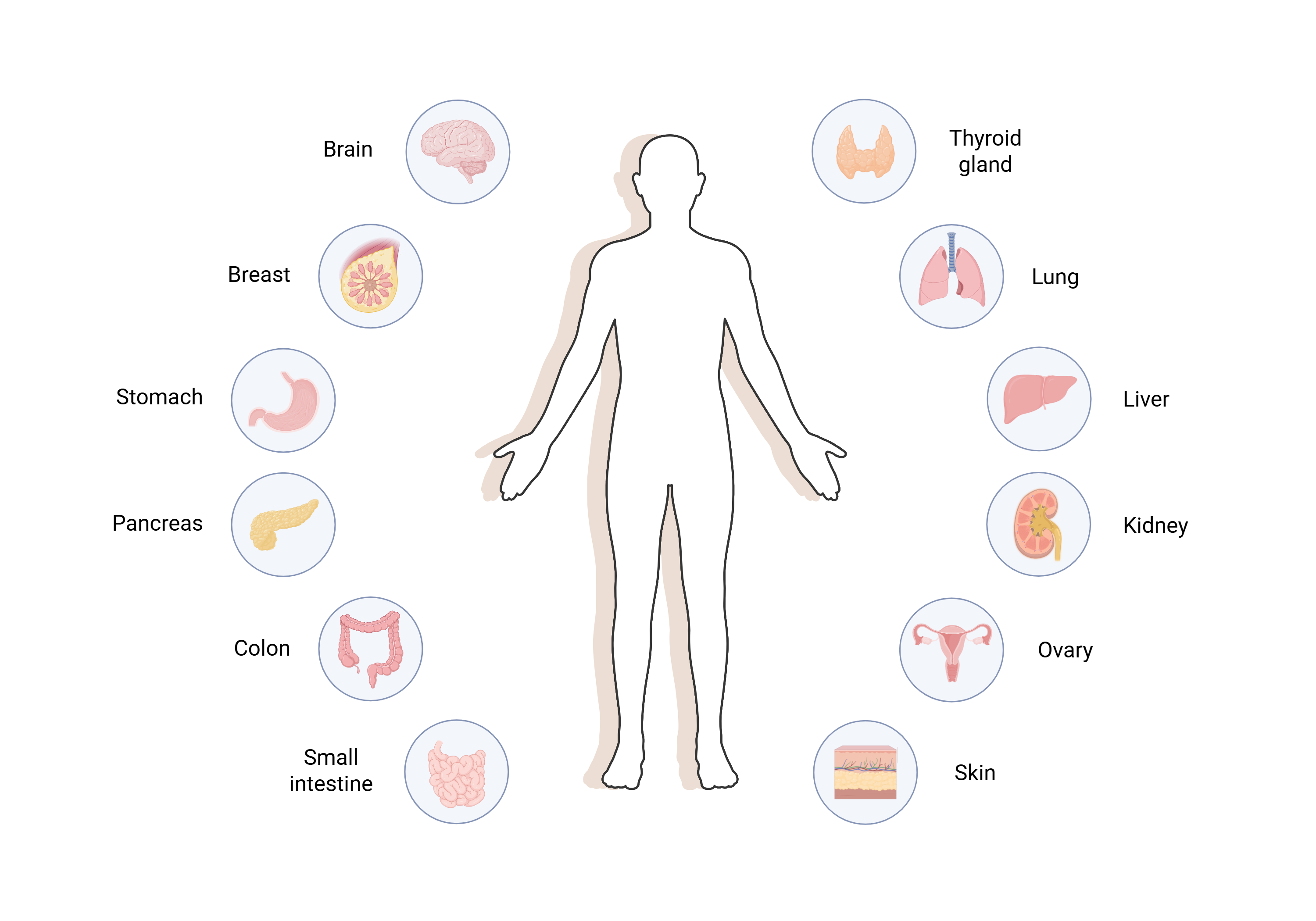
A database of transposable element (TE) expression at single-cell resolution, covering 1,317,803 cells across 20 cancer types based on a large volume of scRNA-seq datasets. Multi-layer analyses were performed to characterize TE activity in tumor microenvironments, identify tumor-specific TEs, and enable in-depth functional exploration.
TE-SCALE has been published on Nucleic Acids Research: https://doi.org/10.1093/nar/gkaf1235 (PMID: 41296555)
What is TE?
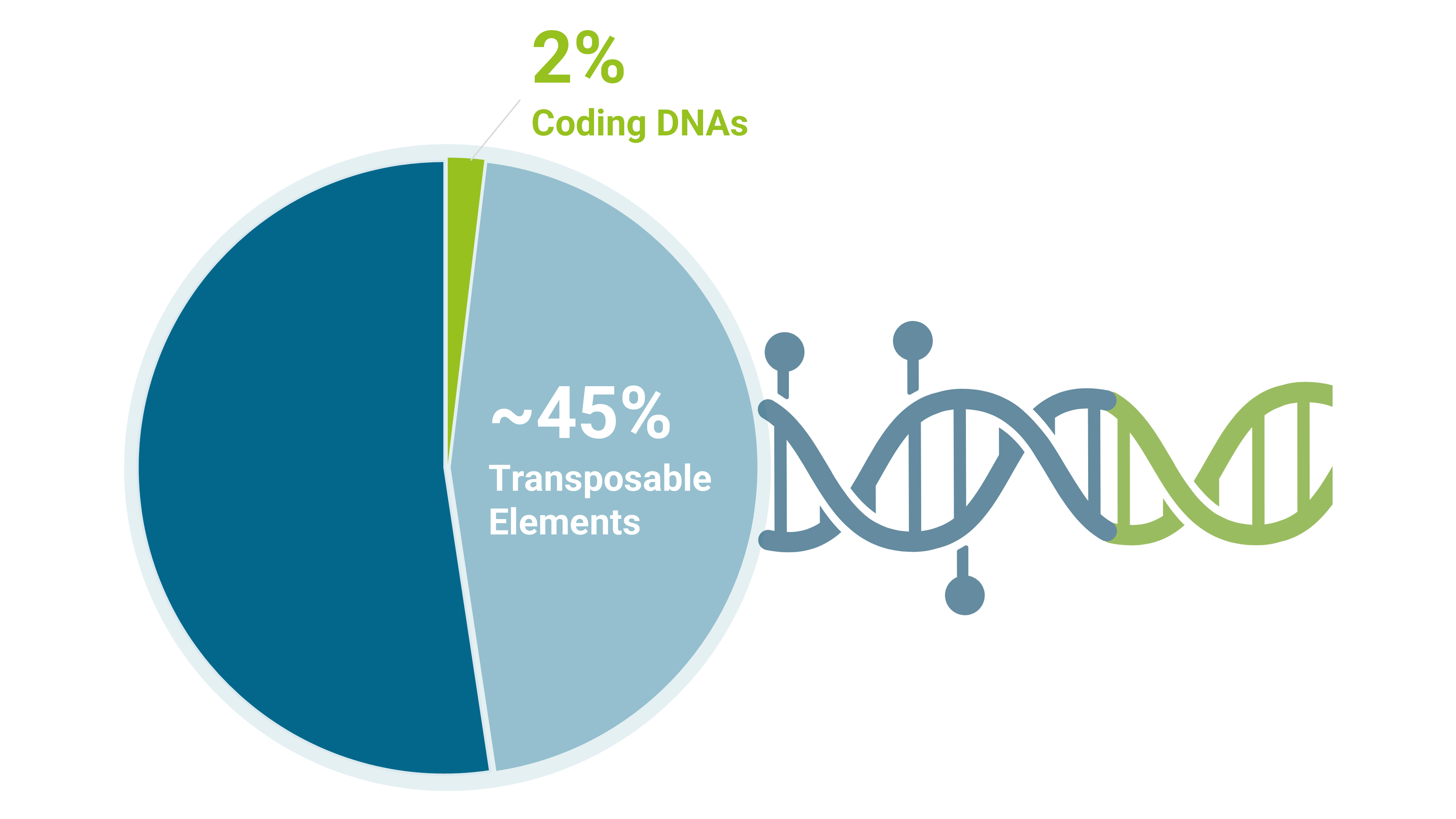
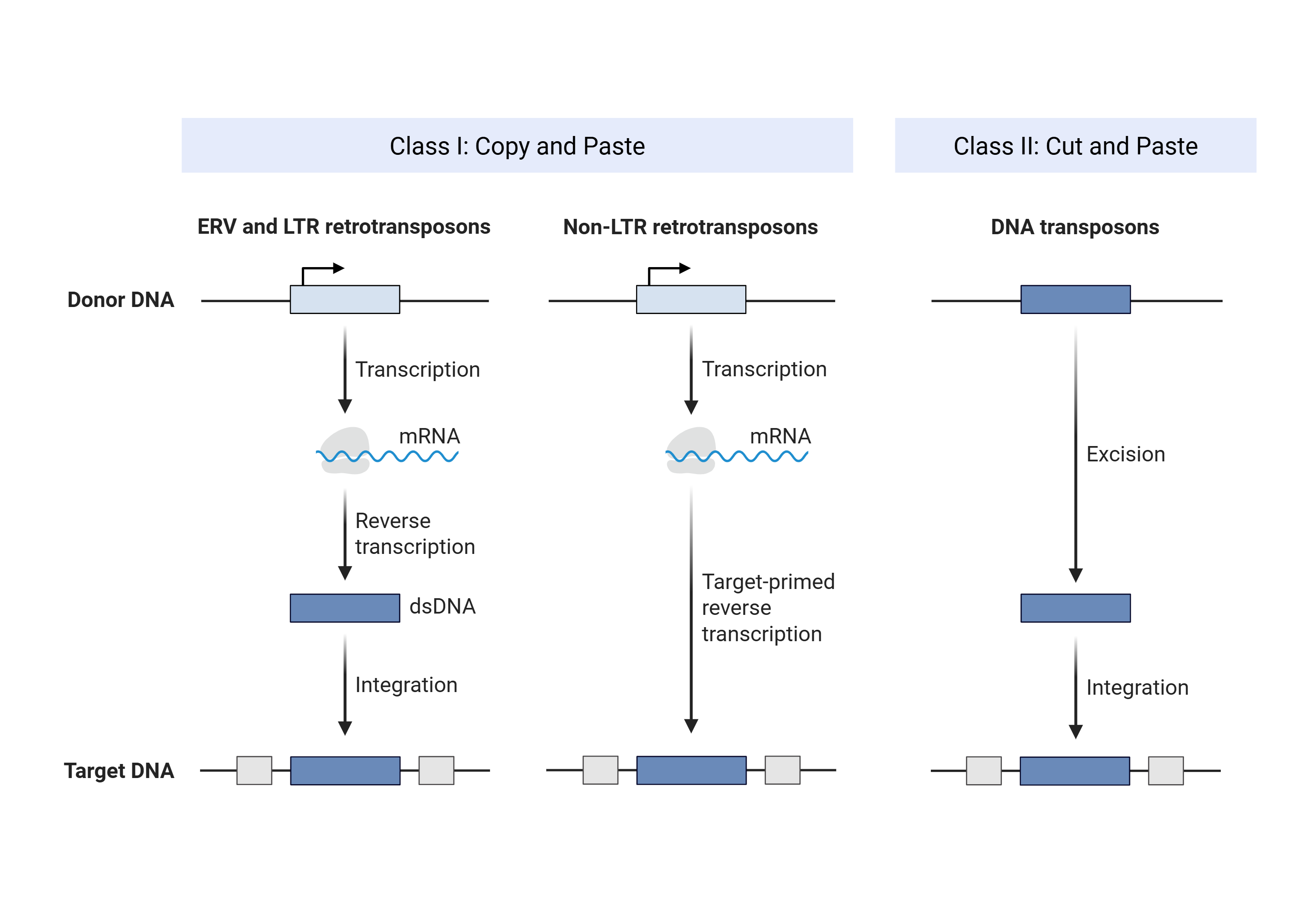
Transposable elements (TEs), also known as "jumping genes", are repetitive DNA sequences that constitute approximately 45% of the human genome. They are classified into two main types: retrotransposons, which propagate via a copy-and-paste mechanism, and DNA transposons, which move through a cut-and-paste process.
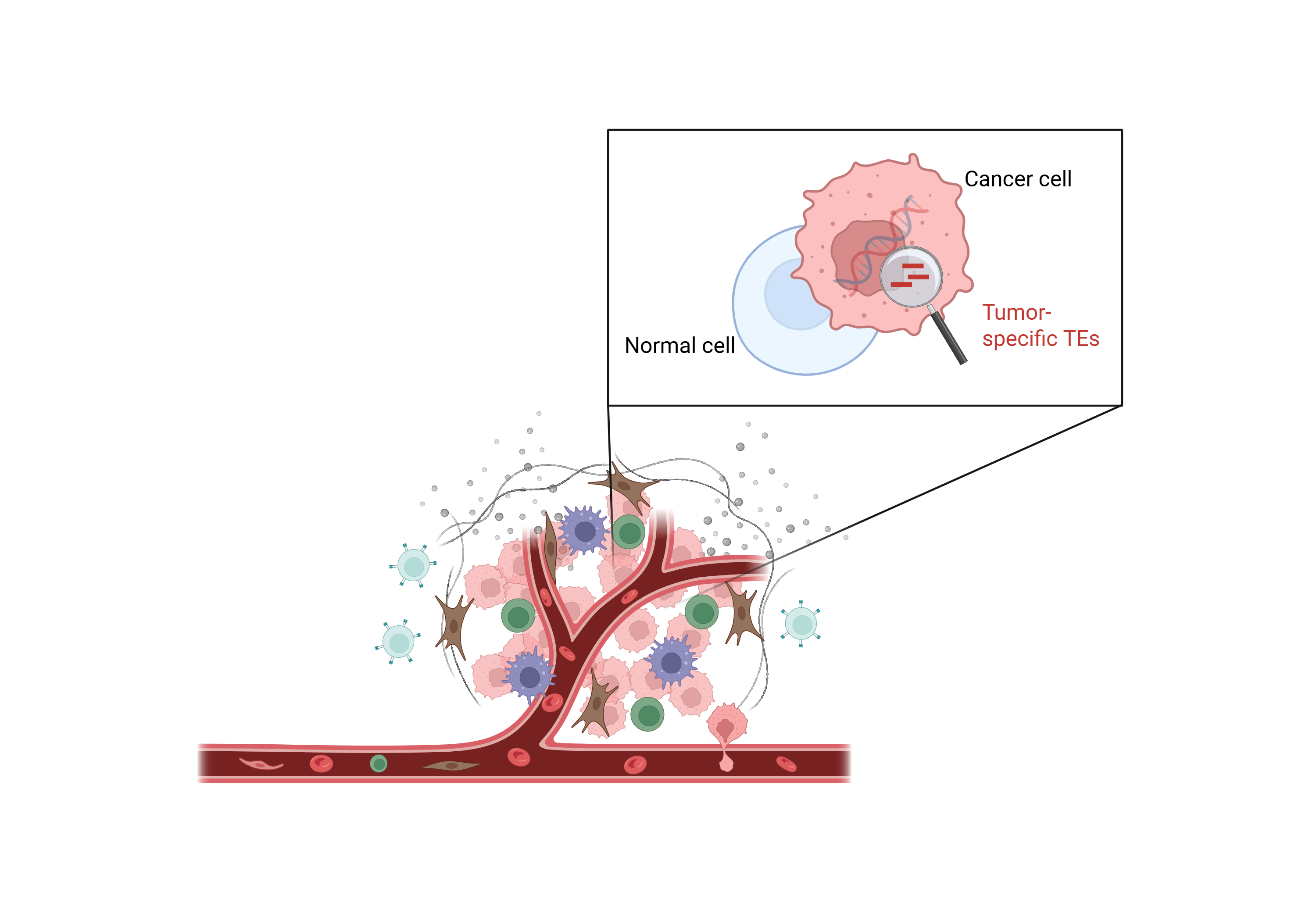
Although TEs are typically silenced in somatic tissues, they represent a largely untapped reservoir of regulatory elements that can contribute to cancer development. TE activity specific to cancer cells not only has the potential to drive oncogene activation, but also presents promising targets for the development of tumor immunotherapies.
Highlights
Single-cell resolution
Profiles TE expression across 49 cell types to reveal their cellular heterogeneity in the tumor microenvironment.
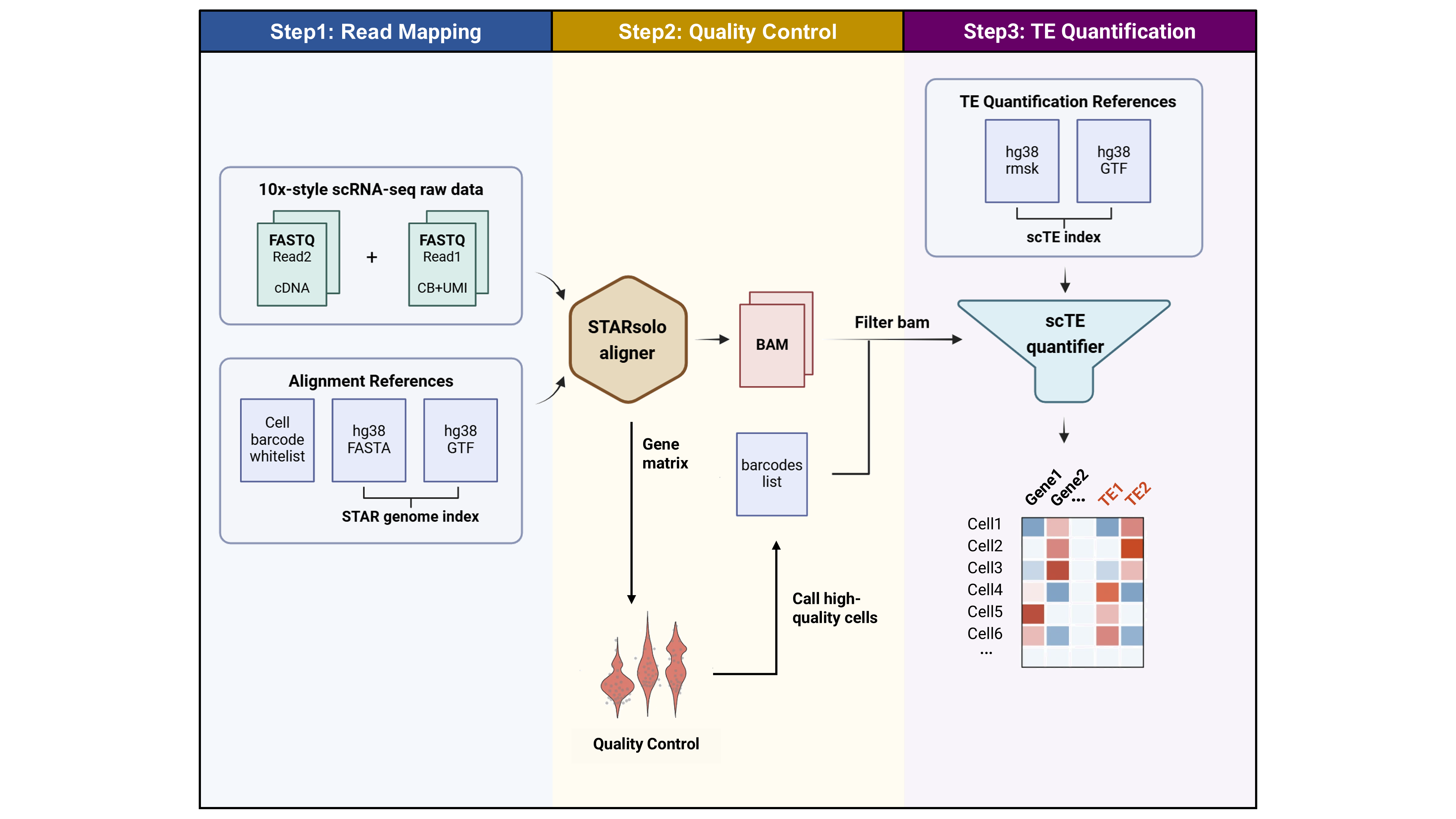
TE analysis tool: scTEfinder
A streamlined pipeline for single-cell TE quantification, generating gene-TE count matrices compatible with Seurat/Scanpy for downstream analyses.
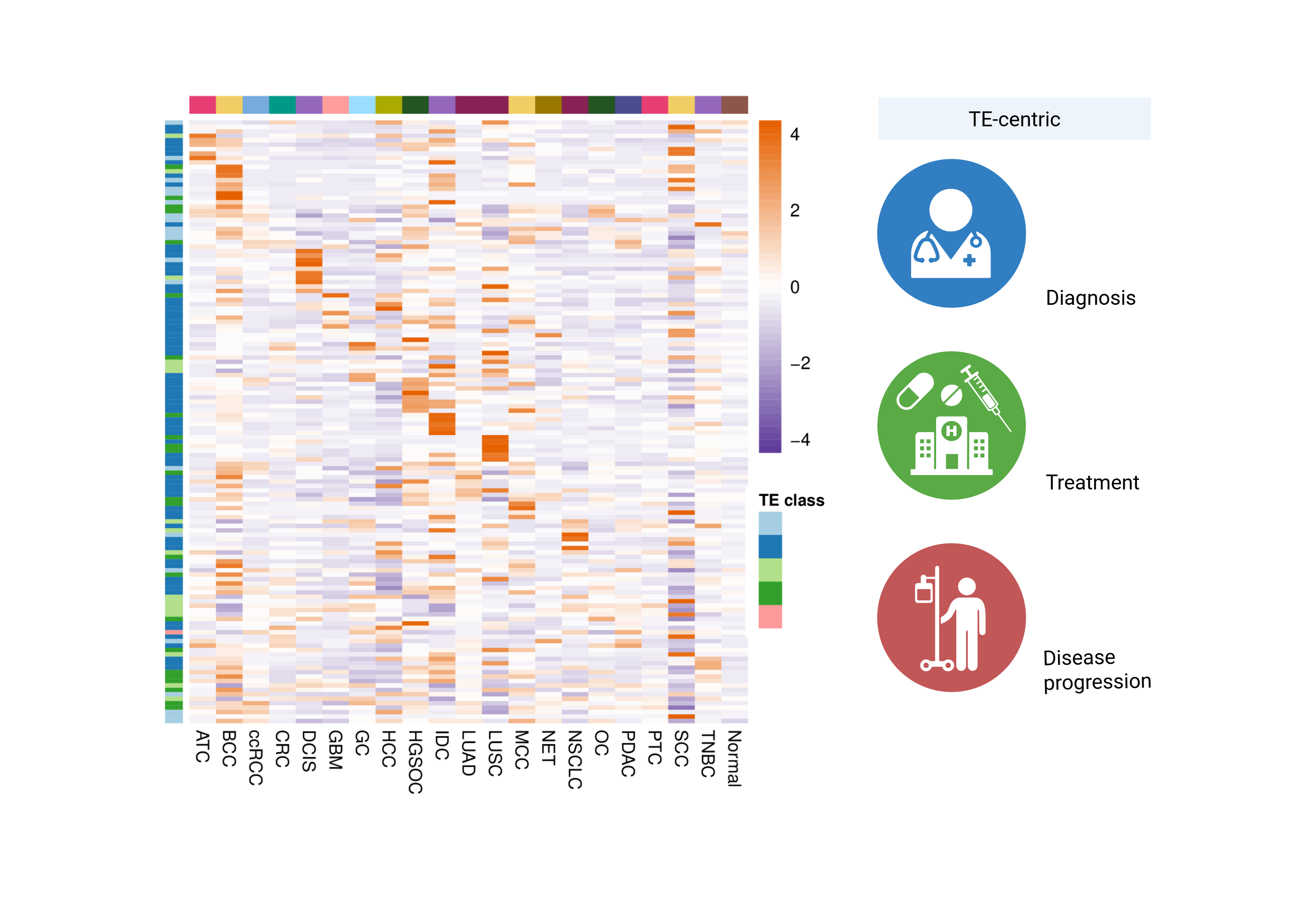
Tumor-specific TEs for clinical translation
Identifies tumor-specific TEs exhibiting strong specificity across cancer types and disease stages, offering promising candidates for cancer diagnosis, immunotherapeutic targeting, and monitoring disease progression.
What You Can Do
- UMAP explorer
Visualize TE and gene expression patterns at single-cell resolution on UMAP plots.
- Differential TE expression
Identify differentially expressed TEs across cell/cancer types.
- TE-gene co-expression
Explore TE-gene correlations to infer regulatory relationships and construct co-expression networks.
- Functional analysis
Infer TE functions through gene set enrichment analysis.
Related Resource
News
- 2025/07/27 Newly updated large-scale TE and gene expression data is available for exploration via the UMAP Explorer.
- 2025/07/08 Add the TE-gene co-expression analysis module.
- 2025/06/30 TE-SCALE is released now!
Citation
- Version 1 Xini Meng†, Zhi Nie†, Qifei Wang, Yiwen Hu, Yulan Deng, Na Ai, Zheng Huang, Yun Li, Yang Yuan, Jingfa Xiao, Jingyao Zeng*, Guochao Li *, Lan Jiang*, TE-SCALE: a comprehensive database for exploring transposable element expression across human cancers at single-cell resolution, Nucleic Acids Research, 2025;, gkaf1235, https://doi.org/10.1093/nar/gkaf1235 (PMID: 41296555)